
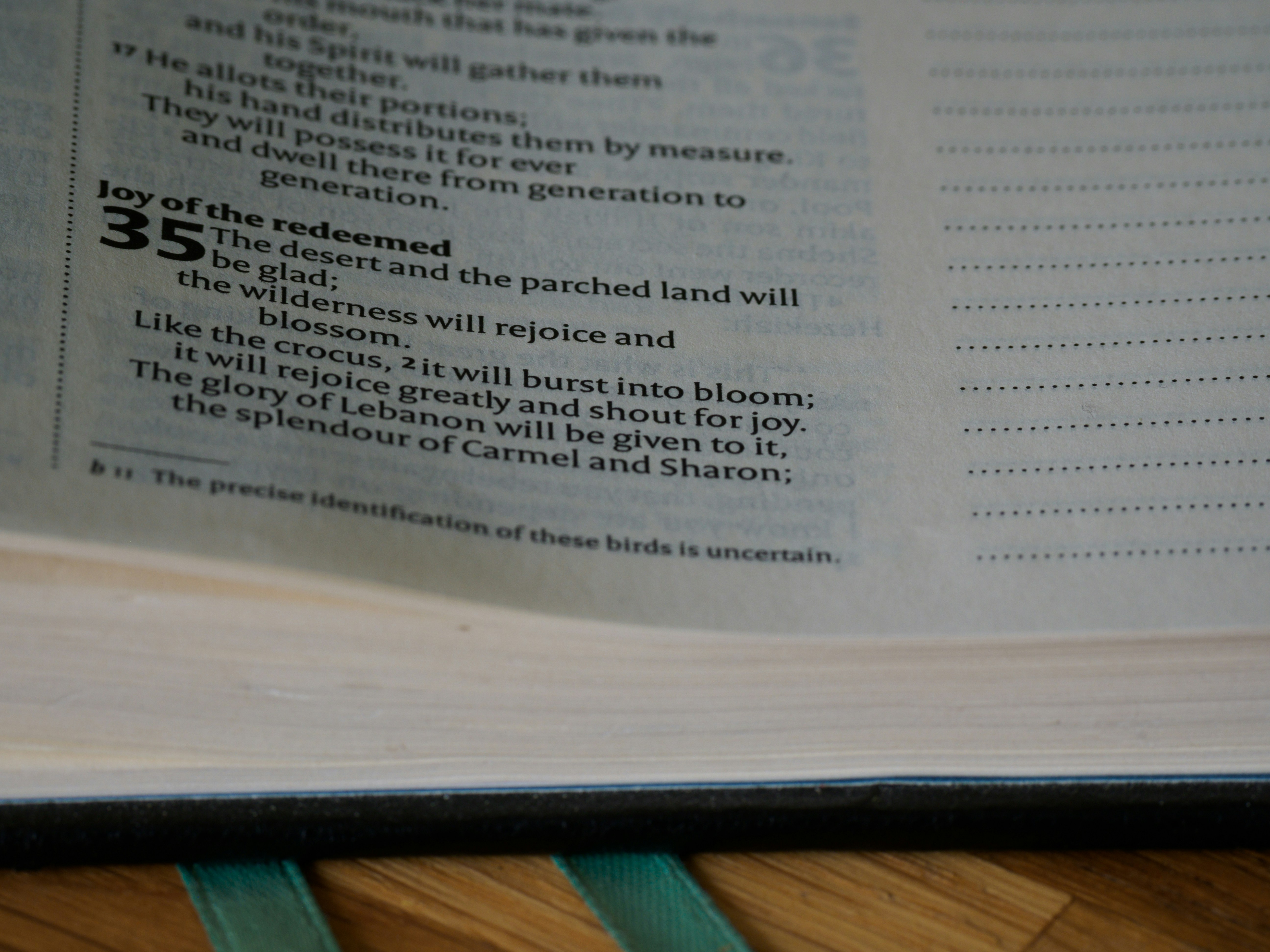
Understanding Isaiah 58:13-14
The verses found in Isaiah 58:13-14 serve as a profound reminder of the significance of the Sabbath within the Judeo-Christian tradition. These passages encourage observance of the Sabbath as a means to experience joy and satisfaction through rest and worship. To fully grasp the essence of these verses, it is essential to consider their historical and cultural backdrop.
The Sabbath, traditionally observed from Friday evening to Saturday evening, holds a special place in Jewish law, a time set apart for rest from labor, symbolizing both physical respite and spiritual renewal. Its roots extend back to the creation narrative in Genesis, where God rested on the seventh day, establishing a pattern for humanity. In the context of Isaiah, the prophet addresses a community struggling with authentic worship and ethical living, urging them to realign their practices with God’s intentions.
In Isaiah 58:13-14, the call to refrain from personal pursuits and to consider the needs of others is paramount. The text emphasizes that true Sabbath observance is not merely about abstaining from work; it is about engaging in activities that foster joy, restoration, and alignment with divine purpose. By dedicating the Sabbath to spiritual reflection and social justice, believers echo God’s desire for humanity to experience holistic well-being.
Furthermore, these verses highlight the reciprocal relationship between Sabbath observance and joy. When individuals embrace the spirit of the Sabbath, they often find that this time can lead to profound contentment and fulfillment. The emphasis on delighting in the Sabbath—and in God—ultimately reaffirms the notion that such observance transcends mere ritual; it is an opportunity to appreciate the beauty of creation and reconnect with oneself and the community.
The Concept of ‘Delight’ in the Sabbath
The concept of ‘delight’ in the Sabbath extends beyond mere rest; it embodies a profound emotional and spiritual significance that resonates deeply within the heart of believers. To ‘delight’ in the Sabbath, as expressed in Isaiah 58:13-14, invites followers to engage in practices and attitudes that cultivate joy and connection with the Divine. This day is not merely about abstaining from work or adhering to rituals, but rather embracing a holistic experience of renewal and intimacy with God.
Delighting in the Sabbath involves recognizing it as a sacred opportunity for reflection, gratitude, and peace. Many find joy in engaging in worship, spending quality time with family and friends, and enjoying the beauty of nature, all of which serve to enhance the spiritual experience. This joyous observance encourages individuals to shift their focus from the burdens of daily life to the blessings that surround them, thus fostering a deeper appreciation for both the Creator and creation.
Furthermore, the emotional dimensions of delight contribute to the overall Sabbath experience. It invites believers to cultivate a sense of mindfulness, where they can fully immerse themselves in the present moment and savor the joy of divine fellowship. Engaging with scripture, singing hymns, or participating in communal meals can evoke feelings of warmth and belonging, further enriching the spiritual context of the Sabbath. Through these practices, the essence of delight becomes intertwined with community and worship, creating a space where individuals can encounter God’s presence and love.
Therefore, the concept of ‘delight’ in the Sabbath serves as a reminder of the importance of joy in one’s faith journey. It underscores that the Sabbath is not just a day off from labor but an invitation to experience the fullness of God’s joy, ultimately deepening one’s relationship with the Almighty.
Sabbath as a Day of Joy vs. Burden
The perception of the Sabbath can vary significantly among individuals and communities, often resulting in contrasting views of whether this day is a source of joy or a burdensome obligation. For many, the Sabbath is intended to be a time of rest, reflection, and rejuvenation. However, some may associate it with strict regulations and prohibitions that create an environment of obligation rather than one of opportunity. This dichotomy can influence spiritual engagement and emotional well-being every Sabbath.
Common misconceptions about Sabbath observance often stem from an interpretation that highlights the rules and restrictions over the intended purpose of the day. For instance, individuals may feel pressured to adhere to certain rituals or practices that can lead to a sense of anxiety rather than tranquility. This view can generate a misunderstanding that the Sabbath serves as a mere checklist of requirements, rather than a joyful intersection with divine rest and community fellowship.
In contrast, embracing the Sabbath as a day of joy encourages individuals to reframe their understanding and approach. By recognizing it as a precious occasion for spiritual renewal, one can cultivate a deeper connection with faith and personal fulfillment. This perspective fosters a celebratory atmosphere where acts of kindness, community gatherings, and personal reflection are prioritized. It opens the door to experiencing joy, creativity, and gratitude on the Sabbath, promoting a holistic understanding of its significance.
Ultimately, the view one adopts towards Sabbath observance can significantly shape their spiritual journey. Choosing to embrace the Sabbath as a day filled with joy rather than a burdensome obligation can enhance one’s overall spiritual practice and enrich one’s life. Adopting this joyous mindset can transform the Sabbath experience from one of constraint to a celebration of life and faith.
Practical Steps to Delight in the Sabbath
Delighting in the Sabbath is a profound way to honor this sacred day and experience the joy it offers. Implementing practical steps can transform regular observance into a joyous celebration. One effective way to begin is by creating a Sabbath routine that is both spiritually enriching and personally fulfilling. Dedicate this time to engage in spiritual practices such as reading scripture, meditative prayer, or participating in family discussions about faith. These activities can deepen your connection to your beliefs while also fostering a tranquil atmosphere that encourages rest and contemplation.
Another vital aspect of Sabbath delight is focusing on communal connections. Engage with your community by organizing or participating in group activities centered around service, worship, or fellowship. Consider joining a local congregation for communal worship services or family gatherings that emphasize togetherness and support. These interactions not only cultivate joy but also remind individuals of the shared experience of faith. Establish a tradition of inviting friends or family members over for Sabbath meals, creating a joyful and communal environment where everyone can bond and share their experiences.
Incorporating joyful activities such as nature walks, family games, or artistic endeavors can further enhance the delight experienced on the Sabbath. This day can also be an ideal opportunity to disconnect from technology and reconnect with nature, allowing time for reflection and appreciation of the world around us. Engaging in these fulfilling activities provides a holistic approach to Sabbath observance that nurtures both body and spirit. Through a commitment to joyful practices, individuals can embody the essence of Sabbath delight, creating a truly enriching and reflective experience each week.
Creating a Sabbath Routine that Inspires Joy
Establishing a Sabbath routine that prioritizes joy and restoration is essential for spiritual well-being and overall happiness. To achieve this, one must start by setting clear boundaries that delineate the Sabbath from everyday life. This practice involves consciously deciding to refrain from work-related activities and digital distractions, allowing oneself to truly embrace the day as a time for reflection, connection, and rejuvenation.
Once the boundaries are set, planning enjoyable activities becomes crucial. A successful Sabbath routine integrates activities that nurture the soul and foster joy. Families may choose to engage in leisurely outdoor activities, such as hiking or picnicking, while individuals might opt for reading, crafting, or spending time in nature. It is essential to choose pursuits that resonate personally and provide a sense of joy and fulfillment. Additionally, organizing a community gathering or sharing a meal with loved ones can enhance the joyfulness of the day, fostering connections that are deeply enriching.
Furthermore, cultivating a restful atmosphere is key to enhancing the delight of the Sabbath. Creating a serene environment might involve decluttering living spaces, using soft lighting, or incorporating elements of nature through plants or fresh flowers. Music can also play an important role, offering soothing sounds that promote relaxation and enjoyment. By deliberately crafting a space that encourages peace and joy, one transforms the Sabbath into a truly restorative experience.
It is important to remember that the Sabbath should not feel like a chore, but rather an opportunity to embrace joy and restoration. By setting boundaries, planning enjoyable activities, and cultivating a restful atmosphere, individuals can inspire happiness and fulfillment, truly making the Sabbath a delight in accordance with the spirit of Isaiah 58:13-14.
The Role of Worship and Community
Engaging in worship and community activities during the Sabbath serves as a fundamental aspect of spiritual enrichment and personal joy. The act of gathering for communal worship fosters a sense of belonging among participants, reinforcing the shared values and beliefs that define the faith community. In accordance with Isaiah 58:13-14, these activities are not mere rituals; they embody a profound expression of faith that enhances one’s spiritual journey and deepens connections with others.
When members of a community come together to worship, they collectively create an atmosphere of reverence and gratitude. Such gatherings often include prayer, singing, and sharing of scripture, all of which are designed to uplift and inspire individuals. By actively participating in these shared moments, congregants experience a heightened sense of joy and fulfillment, which is central to the spirit of the Sabbath. The communal aspect transforms personal worship into a vibrant exchange of energy, faith, and love.
Moreover, fellowship during the Sabbath provides an opportunity for individuals to connect with one another on a deeper level. Sharing meals, testimonies, and experiences fosters unity and reinforces the essential principle that faith is not solely a private endeavor but a communal one. This engagement nurtures relationships that can lead to lasting support systems, which are particularly meaningful during challenging times. Mutual encouragement and accountability within faith communities can significantly enhance spiritual growth and resilience.
In essence, the role of worship and community in celebrating the Sabbath is integral to creating a joyful and fulfilling experience. By prioritizing shared activities and encouraging active participation, individuals can embrace the true essence of the Sabbath, cultivate deeper connections, and ultimately experience a profound sense of joy that resonates throughout their lives.
Overcoming Challenges and Obstacles
Delighting in the Sabbath often presents various challenges that can hinder one’s experience of joy and peace. Among the most prevalent obstacles are distractions, societal pressures, and ingrained personal habits. Distractions can arise in many forms, from the perpetual buzz of technology to the demands of everyday responsibilities. In today’s fast-paced society, it is easy to overlook the sacredness of the Sabbath, leading to a diluted experience that fails to embody its intended joy. To address these distractions, establishing a designated Sabbath atmosphere is crucial. This might involve turning off devices, choosing to spend time in nature, or engaging in meditative practices that encourage a mindset of celebration and reflection.
Societal pressures also pose a significant challenge to fully embracing the Sabbath. Many individuals find themselves confronted with expectations to participate in work or social obligations that detract from the purpose of the day. When the surrounding culture does not prioritize rest or spiritual reflection, it can be difficult to maintain focus on the joy that comes with observing the Sabbath. Developing a strong personal resolve and supportive community network can help alleviate these pressures. Engaging with others who share a commitment to the values of the Sabbath can reinforce one’s intention, creating an environment conducive to joy and worship.
Furthermore, personal habits often dictate how one approaches the Sabbath. Individuals may have conditioned themselves to view the day as merely another off day from work, rather than a sacred time for rejuvenation. Reframing these perceptions is vital for overcoming the obstacles faced. Setting aside intentional time for spiritual practices, reflection, and enjoyment of God’s creations can transform one’s approach to the day. By recognizing and addressing these challenges, individuals can realign their focus on the joy and rejuvenation that the Sabbath is designed to provide.
The Spiritual Benefits of Delighting in the Sabbath
Delighting in the Sabbath offers profound spiritual benefits that can significantly enhance one’s faith journey. This sacred day, traditionally set aside for rest and reflection, serves as a cornerstone for nurturing a deeper relationship with God. Engaging in Sabbath observance fosters an environment conducive to spiritual renewal, allowing individuals to step away from the everyday hustle and bustle. By allocating time for prayer, meditation, and worship on the Sabbath, believers can cultivate a more intimate connection with the divine.
One of the primary advantages of embracing the Sabbath lies in the opportunity for spiritual rejuvenation. In our fast-paced society, moments of stillness and contemplation may seem scarce. Therefore, dedicating one day to rest becomes crucial for mental and spiritual refreshment. This intentional pause allows individuals to reflect on their lives, seek guidance, and align their pursuits with God’s will. The quietude of the Sabbath encourages a genuine shift in perspective, leading to greater clarity regarding personal challenges and aspirations.
Moreover, the joy that accompanies the Sabbath cannot be overlooked. This day serves as a reminder of the blessings and grace present in daily life, instilling a sense of gratitude and appreciation. When individuals truly delight in the Sabbath, they engage in practices that foster joy, such as sharing meals with loved ones, participating in communal worship, or practicing acts of kindness. These actions not only enhance personal well-being but also strengthen community ties. Ultimately, the joy cultivated on the Sabbath extends beyond this single day, influencing interactions and attitudes throughout the week.
Thus, recognizing the spiritual benefits of delighting in the Sabbath is essential for anyone seeking to deepen their faith. By prioritizing rest, reflection, and joy on this day, believers can experience significant spiritual growth and a renewed sense of purpose in their daily lives.
Conclusion: A Call to Action
As we reflect on the themes presented in Isaiah 58:13-14, it becomes evident how vital it is to embrace the Sabbath as a source of joy and fulfillment. The prophet encourages us to treat this day not just as a routine observance, but as an opportunity for deep spiritual connection and rejuvenation. Honoring the Sabbath allows individuals to step away from the pressures of daily life, fostering an environment where joy can flourish amidst rest and reflection.
In light of these insights, let us consider actionable steps to truly delight in the Sabbath. First, it is essential to intentionally set aside time for rest and reflection. This could involve dedicating a few hours each week to engage in activities that bring joy, such as spending time with loved ones, enjoying nature, or pursuing creative hobbies. Such activities can transform the Sabbath into a day of renewal, aligning with the sense of joy propagated by Isaiah.
Furthermore, cultivating gratitude plays an essential role in enhancing our experience of this sacred day. Taking moments to acknowledge the blessings in our lives can shift our focus from the burdens we bear to the joy of God’s provision. This mindset not only amplifies our delight in the Sabbath but also deepens our spirituality, allowing us to connect more profoundly with the divine.
Lastly, committing to community worship can significantly enrich our Sabbath experience. Engaging in fellowship with others who share similar values establishes a sense of belonging and mutual support. By gathering in worship, we reinforce the joy associated with honoring the Sabbath, creating a collective atmosphere of peace and celebration. The culmination of rest, gratitude, and community exemplifies the true spirit of the Sabbath as a day of delight.
In conclusion, let us embrace the wisdom of Isaiah and take definitive steps to make the Sabbath a day of joy and peace, both for ourselves and those around us. By doing so, we honor the sacredness of this time and its profound impact on our lives.