
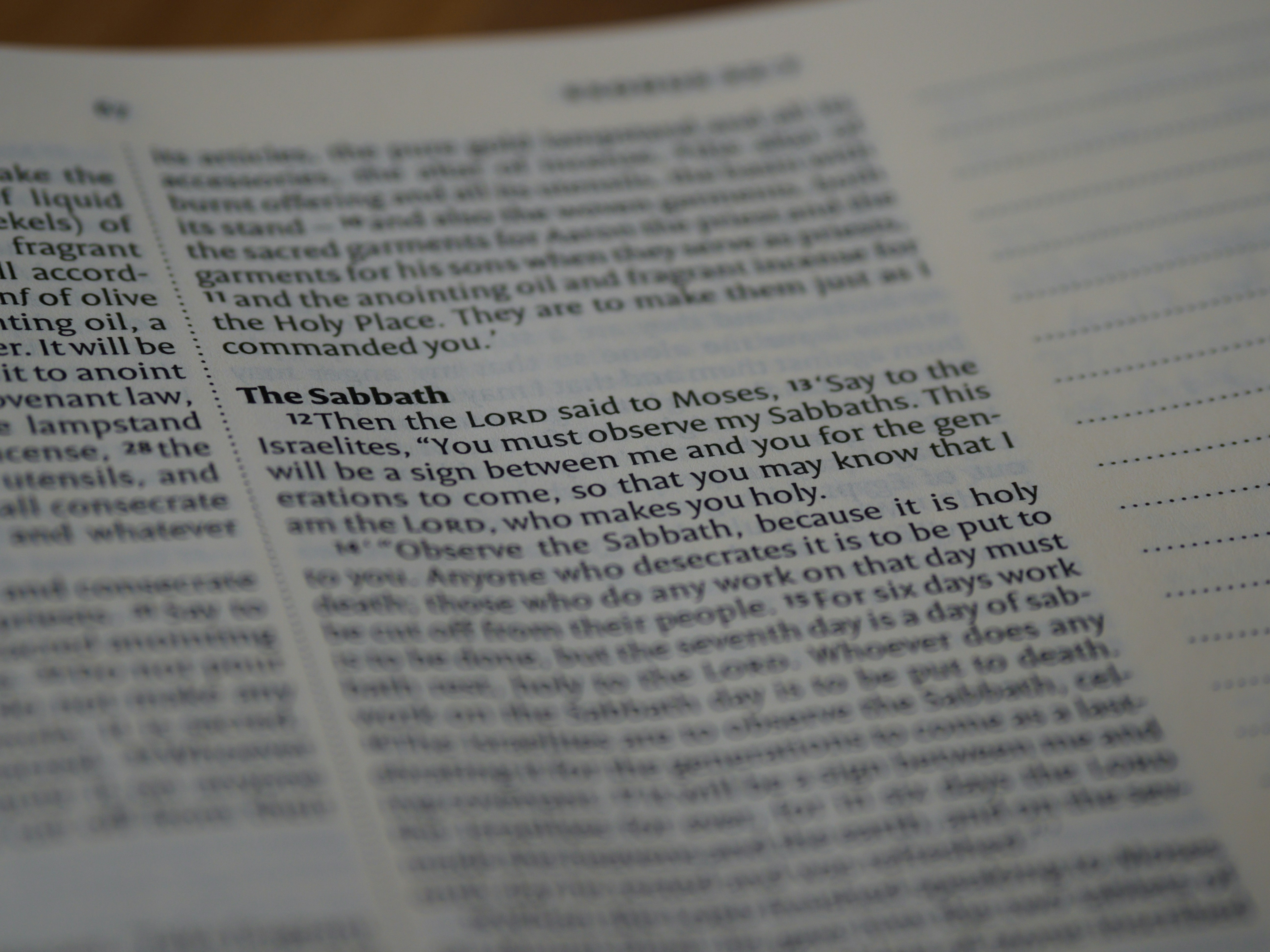
Understanding Ezekiel 20:12
Ezekiel 20:12 states, “Moreover, I gave them My Sabbaths to be a sign between them and Me, that they might know that I am the LORD who sanctifies them.” This verse serves as a profound declaration of God’s intent to establish a distinctive relationship with His people through the observance of the Sabbath. In the context of the Hebrew Bible, the Sabbath is not merely a day of rest; it symbolizes a deeper covenant between God and His followers, marking them as a sanctified community set apart for divine purposes.
The theological significance of this verse lies in its dual emphasis on the Sabbath as both a sign and a means of sanctification. By observing the Sabbath, the Israelites were reminded of their unique identity and calling. God’s provision of the Sabbath serves as a reminder of His sovereignty and a means of grace, intended to cultivate a sense of belonging and holiness among His people. The term “sanctification” implies a process of being made holy, suggesting that regular observance of the Sabbath was integral to the formation of a community characterized by righteousness and dedication to God’s will.
Historically, the context of Ezekiel’s prophecy is crucial for understanding its implications. During a period of exile, the Israelites faced significant challenges to their identity and faith. In delivering this message, God reaffirmed His commitment to them despite their circumstances. The Sabbath thus stood as both a refuge and a reminder of their covenantal relationship with God. Furthermore, the prophet Ezekiel’s message invites reflection on the ways in which modern believers understand and practice the Sabbath, highlighting its ongoing relevance as a divine sign of holiness and community. By anchoring their faith in the observance of the Sabbath, individuals continue to recognize and celebrate their unique relationship with the Creator.
The Nature of the Sabbath
The Sabbath, a day set apart for rest and worship, holds profound significance within both the Old and New Testaments of the Bible. The observance of the Sabbath originates in the creation narrative, where God, after a week of forming the universe, rested on the seventh day, thus establishing it as a completion of His divine work. This divine rest not only marks the rhythm of creation but also serves as an invitation for humanity to pause and reflect on the relationship between the Creator and His creation.
<pin a="" about="" also="" and="" as="" but="" commandment,="" community="" covenant="" day="" dedicated="" deliverance.="" enshrined="" explicitly="" fourth="" gatherings.
In the New Testament, Jesus redefines the understanding of the Sabbath by emphasizing its intended purpose rather than rigid adherence to rules. He asserts that the Sabbath was made for man, not man for the Sabbath, which highlights its role as a gift rather than a burden. This re-interpretation enabled believers to appreciate the Sabbath as a time to engage with God and each other freely, promoting love and mercy over legalistic practices.
Across various denominations, interpretations of the Sabbath can vary. For some, the observance of the Sabbath is strictly about refraining from work and attending church services, while others emphasize a more flexible approach, focusing on the principles of rest, worship, and communal relationships. Despite these differences, the essence of the Sabbath as a divine sign of sanctification remains a unifying theme, inviting believers to cultivate a deeper connection with God and their communities.
Sabbath Keeping: An Act of Obedience
Observing the Sabbath serves as a significant demonstration of obedience to God, reflecting the individual’s commitment to divine principles. In many religious traditions, the Sabbath is viewed as a sacred time set apart for rest and reflection, which symbolizes a believer’s trust in God’s provision. By refraining from work and dedicating this time to spiritual and familial activities, adherents affirm their faith in God’s ability to sustain them, both physically and spiritually.
The importance of Sabbath-keeping is encapsulated in the notion that it allows for renewal and rejuvenation. When individuals intentionally set aside this day, they cultivate a deeper relationship with God and themselves. For example, many experience personal growth through prayer and study of scripture during the Sabbath, which reinforces their spiritual disciplines. Moreover, observing the Sabbath as a community fosters fellowship and support, encouraging shared growth among individuals who participate in worship and discussions surrounding faith.
Furthermore, Sabbath observance can lead to a more mindful and grateful approach to life, as it prompts individuals to reflect on their blessings and God’s providence. Engaging in gratitude during the Sabbath creates a framework that transforms how practitioners navigate the other days of the week. This practice encourages a lifestyle of obedience that extends beyond the Sabbath, as individuals become more attuned to God’s guidance in their daily choices.
In essence, Sabbath-keeping is not merely a routine obligation; it embodies a profound expression of faith. By dedicating this time to rest and worship, individuals exhibit their reliance on God and their commitment to living in accordance with His commandments. This observance not only fulfills a biblical mandate but also serves as a catalyst for enhanced spiritual growth and transformation.
The Sabbath as a Sign of Divine Ownership
The Sabbath plays a crucial role in the relationship between God and His people, serving as a sign of divine ownership and His calling to holiness. In the biblical narrative, the Sabbath is not merely a day of rest; it represents a profound declaration of God’s sovereignty over creation and His covenant with humanity. The practice of observing the Sabbath reflects God’s active involvement in the world and His desire to have a personal relationship with His followers.
The act of sanctification, a concept deeply rooted in Scripture, emphasizes how God sets His people apart for His divine purpose. This process is exemplified through the institution of the Sabbath, which is seen in the Fourth Commandment, highlighting the importance of both rest and remembrance. By designating one day of the week for sacred observance, God invites His followers to acknowledge His supreme authority and their identity as His chosen ones. This act of setting aside time is a reminder that they are not merely individuals navigating through life; they are part of a community that belongs to God.
<pfurthermore, a="" also="" an="" and="" are="" as="" believers="" but="" by="" can="" claim="" commitment="" continuous="" deeper="" divine="" embrace="" encourages="" enduring="" family.="" followers="" for="" god's="" god.="" growth,="" guiding="" heirs="" him.="" him.
Strengthening Our Relationship with God
The observance of the Sabbath serves as a profound opportunity for believers to enhance their relationship with God. By intentionally setting aside time for rest and spiritual reflection, individuals open the door to spiritual renewal and transformation. This sacred day, dedicated to worship and reconnecting with the divine, fosters an environment where faith can flourish and deepen.
During the Sabbath, many individuals find they can step away from the rigors of daily life, allowing themselves to recharge both spiritually and emotionally. This respite often leads to a heightened awareness of God’s presence, offering believers the chance to commune with Him in a more intimate manner. Engaging in prayer and meditation can facilitate a deeply personal connection with God, allowing individuals to express their thoughts, concerns, and gratitude freely. Numerous testimonies highlight how regular Sabbath observance has led to a more profound sense of peace, purpose, and understanding of God’s plan in their lives.
Moreover, Sabbath-keeping offers believers an opportunity to engage with their faith community. Shared worship experiences can reinforce communal bonds, fostering a sense of belonging and accountability among congregants. As individuals come together to celebrate the Sabbath, they share insights and testimonies that can enrich each person’s spiritual journey, contributing to a collective growth in faith. Many account personal transformations stemming from community support during these sacred gatherings, illustrating how regular Sabbath practices can manifest as a catalyst for divine relationship-building.
Incorporating the Sabbath into one’s weekly routine not only revitalizes the spirit but also cultivates a deeper commitment to God. This sacred observance acts as a divine sign of sanctification, reinforcing the believer’s connection to God and the faith community. Through consistent practice, believers often find themselves renewed, emboldened, and better equipped to navigate the challenges of life with a strong, unwavering relationship with their Creator.
Sabbath Rest and Restoration
The concept of Sabbath rest serves as a vital element for both physical and emotional restoration. As individuals navigate through the demands of daily life, the necessity for a period of respite becomes increasingly clear. Traditionally, the Sabbath is observed as a day set apart, a divine invitation to pause from routine activities and refocus on well-being. This intentional break allows for a holistic approach to healing—one that encompasses the body, mind, and spirit.
Physically, engaging in restorative practices during the Sabbath can significantly benefit overall health. Resting from daily labor reduces fatigue and rejuvenates physical strength. Activities that promote relaxation, such as taking leisurely walks, meditating, or engaging in light recreational activities, can empower individuals to restore their energy. Emotional healing is also paramount. The constant hustle and bustle can create stress and anxiety; thus, taking a break offers an opportunity to decompress. Time spent reflecting or connecting with loved ones fosters emotional bonds and facilitates healing from emotional turmoil.
Spiritually, the Sabbath provides a unique opportunity to connect with God and nurture one’s faith. This day serves as a reminder to divert attention from worldly distractions and focus on the divine. Engaging in practices such as prayer, worship, or study of sacred texts during this time deepens the relationship with God and aligns one’s spirit with divine purpose. Disconnecting from the noise of everyday life cultivates an atmosphere conducive to spiritual rejuvenation.
In essence, the restorative power of Sabbath rest encourages individuals to embrace a rhythm of life that values renewal and connection. By prioritizing physical, emotional, and spiritual well-being, individuals can embark on a journey of holistic healing that enriches their lives and strengthens their relationship with the divine.
A Call to Community
The Sabbath is not merely a day of rest; it is also an opportunity for believers to come together and cultivate a sense of community. This day serves as a divine sign of sanctification that fosters relationships among individuals who share similar values and beliefs. Communal worship on the Sabbath strengthens the bonds within faith communities, allowing members to support each other in their spiritual journeys. Gathering in worship creates an environment where individuals can openly express their faith, share their experiences, and encourage one another.
One of the hallmarks of Sabbath observance is the collective engagement in rituals and traditions that reinforce community ties. These shared practices, such as communal prayers, singing hymns, and studying sacred texts, allow individuals to immerse themselves in a unified spiritual experience. This reinforces a sense of belonging, resourcefulness, and affinity within the congregation. As members partake in these observances, they experience a shared purpose that transcends individual differences and fosters a deeper, collective sanctification.
Moreover, the Sabbath encourages social interaction and fellowship outside formal worship settings. Believers often engage in shared meals, discussions, and fellowship activities that not only celebrate their faith but also strengthen communal relations. The friendships cultivated during these gatherings can provide invaluable support systems that extend beyond the Sabbath, reinforcing a network of care and encouragement within the community. This fellowship showcases the essence of living in harmony and mutual respect, essential elements for spiritual growth.
In essence, the Sabbath embodies a call to community where believers unite in their quest for spiritual enrichment. By fostering collective worship, shared experiences, and mutual support, the Sabbath acts as a catalyst for building enduring relationships and enhancing the communal aspects of faith, ultimately enriching the spiritual lives of all involved.
Sabbath as a Reminder of God’s Holiness
The Sabbath stands as a profound testament to God’s holiness, serving as a divine reminder for individuals to reflect on the sacred nature of their Creator. In the Old Testament, the concept of holiness is deeply intertwined with God’s character, revealing the essence of His being and His expectations for humanity. Through the commandments outlined in the Mosaic Law, God established a framework for holiness that guides believers in their relationship with Him and sets apart His chosen people. The observance of the Sabbath is integral to this framework, emphasizing rest, reflection, and reverence for the divine.
<p (genesis="" 2:2-3).="" a="" act="" also="" an="" and="" another.="" apart—mirroring="" as="" authority="" be="" believers="" but="" by="" call="" cessation="" context="" creation="" creative="" cultivate="" day="" day,="" each="" embodies="" embrace="" engaging="" exemplifies="" fellowship="" followers="" for="" from="" god="" god's="" highlights="" him="" his="" holiness="" holiness,="" in="" introduced="" is="" it="" narrative,="" nature="" not="" observance="" of="" on="" one="" only="" opportunity="" p="" personal="" realign="" renewal.="" rest="" rested="" restorative="" rhythm="" sabbath="" sanctifying="" sanctity.
Moreover, the Prophet Isaiah underscores the importance of honoring the Sabbath as a means of inviting God’s presence and blessing into one’s life (Isaiah 58:13-14). During this sacred time, individuals are encouraged to refrain from mundane pursuits and focus on spiritual nourishment. By allocating time for worship, prayer, and reflection, one acknowledges the holiness of God and allows this awareness to permeate their lives. The Sabbath thus functions not merely as a day of rest but as a continuous invitation to embody holiness in everyday actions and interactions. Ultimately, the Sabbath prompts believers to engage in deep introspection about their relationship with and representation of God’s holy character in the world.
Conclusion: Living Out the Call of the Sabbath
The observance of the Sabbath represents more than merely a break from labor; it is a profound opportunity for spiritual reflection and renewal. Throughout this exploration of the Sabbath, it becomes evident that its purpose extends beyond a day of rest; it serves as a divine sign of sanctification and an invitation to cultivate a deeper relationship with God. By recognizing the Sabbath’s significance, individuals can better understand its role in affirming their identity as sanctified people.
To truly embrace the Sabbath is to engage in intentional practices that facilitate rest, contemplation, and connection with the Divine. This sacred day offers setting apart from daily routines, allowing believers to focus on nurturing their spiritual lives. Through prayer, worship, and family gatherings, the Sabbath fosters an environment conducive to fortifying one’s relationship with God and with others. Such observance not only invites tranquility but also encourages growth in faith.
<p a="" acknowledge="" actions="" and="" approach="" are="" as="" aspect="" balance="" believers="" between="" call,="" day,="" emphasizing="" encourages="" every="" everyday="" followers="" gift="" god="" god’s="" holistic="" honor="" importance="" in="" incorporating="" individuals="" inherent="" into="" invites="" it="" just="" life="" life,="" lives.="" living,="" of="" on="" one’s="" p="" perpetually="" positioning="" presence="" principles="" priorities.="" prompts="" provisions.
In nurturing the observance of the Sabbath and integrating its principles into daily existence, individuals not only deepen their relationship with God but also grow in their understanding of what it means to be part of a sanctified community. In conclusion, embracing the Sabbath as a meaningful aspect of spiritual journey promotes a lifestyle characterized by connection, reflection, and renewal—a reminder of the sacred relationship God invites all believers to engage in.