
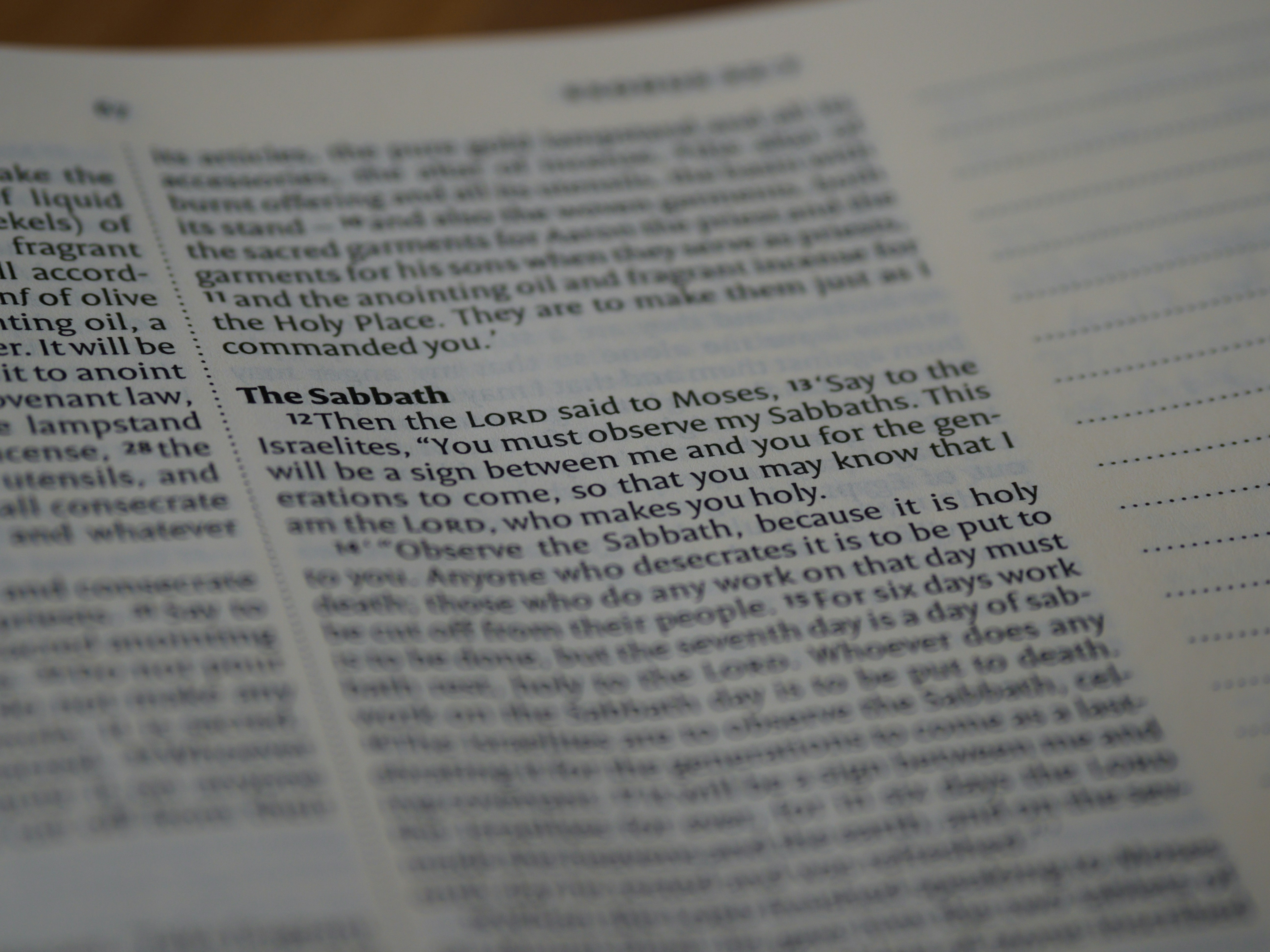
Understanding Shabbat: A Sacred Time
Shabbat, the Jewish Sabbath, is a profound expression of spiritual and physical rest deeply rooted in biblical tradition. Instituted in the Book of Genesis, Shabbat signifies the seventh day of creation, during which God rested after a week of labor. This divine commandment to refrain from work serves as a reminder of the importance of rest and reflection in the lives of believers. The essence of Shabbat transcends mere physical cessation from labor; it embodies a time for spiritual renewal and connection to community and family.
Historically, Shabbat emerged as a cornerstone of Jewish life, providing a sacred rhythm that dictates not only individual observance but also communal engagement. It invites participants to disengage from the demands of daily life, allowing them to focus on spiritual introspection and familial bonding. The rituals associated with Shabbat—lighting candles, reciting blessings, and sharing meals—create a sanctified space where the concerns of the week are set aside, thereby nurturing a sense of well-being and peace.
Moreover, Shabbat is viewed as a divine gift, designed to restore balance and foster connections among individuals, families, and communities. It promotes a culture of mindfulness, encouraging people to be present in the moment and appreciate the significance of life’s blessings. From a broader perspective, Shabbat also encompasses social justice principles, reminding the faithful to honor not only personal rest but also the need to provide rest for others, including servants and animals. In this manner, the observance of Shabbat fosters a sense of collective responsibility, reinforcing the interconnectedness of all members within the community.
Through the practice of Shabbat, individuals cultivate a deeper relationship with themselves, others, and the divine, making it a profound sacred time for both physical and spiritual rest.
The Importance of Physical Rest
Physical rest plays a crucial role in our overall well-being, particularly during Shabbat, a time designated for both spiritual and physical rejuvenation. The fast-paced nature of modern life can lead to chronic stress and fatigue, making the need for downtime ever more pressing. Embracing the Shabbat means stepping away from daily obligations, allowing the body to engage in much-needed recovery. This intentional break can significantly enhance health, as it encourages the body to heal and regenerate.
During Shabbat, individuals are encouraged to refrain from work-related activities and household chores, creating a sanctuary free from the demands of everyday responsibilities. This respite from routine fosters an environment where one can focus on relaxation and contemplation. Research indicates that regular intervals of physical rest can improve cognitive function, bolster immune responses, and promote emotional stability, effectively reducing levels of stress and anxiety.
Engaging in physical rest on Shabbat not only enhances personal wellness but also enriches interpersonal relationships. Without the distractions of work and obligations, families and friends can connect more profoundly, promoting emotional bonding and community spirit. The very essence of Shabbat rests in its role as a time of renewal, encouraging people to slow down and appreciate life’s simple pleasures. Therefore, taking a physical break becomes an essential part of honoring this weekly observance, creating an opportunity for individuals to recharge physically and spiritually.
Integrating periods of physical rest into our routines, especially during Shabbat, allows individuals to cultivate a balanced life. Ultimately, this dedicated time for relaxation sets the foundation for enhanced productivity and fulfillment in the weeks to come, demonstrating the powerful impact of simply taking a break.
Spiritual Renewal: Connecting with God
Shabbat serves as a profound reminder of the opportunities for spiritual renewal offered through dedicated rest and reflection. It is a day that allows individuals to step away from the routine demands of life and engage deeply with their faith. This weekly pause invites believers to reconnect with God, fostering an enriching environment for prayer and introspection. In Matthew 11:28-30, Jesus extends an invitation to all who are weary to find solace and rest in Him. This passage beautifully encapsulates the essence of Shabbat—a time when one can lay down burdens and seek a closer communion with the Divine.
During Shabbat, the act of prayer becomes a central practice for many. It provides a structured avenue for expressing gratitude, seeking guidance, and reflecting upon life’s challenges. Individuals might engage in various forms of prayer, from communal worship to personal meditations, all aiming to cultivate a deeper relationship with God. This engagement can lead to renewed spiritual strength, encouraging participants to carry their faith into the following week with a refreshed perspective.
Moreover, Shabbat emphasizes the importance of reflection and contemplation. Taking time to meditate on scripture or engage in discussions about faith not only enhances personal understanding but encourages communal bonds among believers. By sharing insights and experiences, individuals can foster a sense of unity that rejuvenates the spirit. Ultimately, the spiritual renewal found within Shabbat transcends mere tradition; it becomes a vital component of a healthy faith lifestyle, empowering individuals to embrace their beliefs more fully. The quiet moments of reflection and the community engagement not only nurture the soul but also exemplify the call to rest and center oneself in God’s presence.
Trusting in God’s Provision
During Shabbat, the act of refraining from work serves as a profound weekly reminder for believers to trust in God’s provision. This sacred time encourages individuals to let go of their daily responsibilities and surrender to the understanding that they are cared for. The cessation of work during Shabbat allows for a moment of reflection, fostering a deeper connection with God, while simultaneously enhancing one’s faith in divine sustenance. As individuals set aside their tasks for a day, they are invited to experience leisure and spiritual renewal, trusting that their needs will be met without their constant effort.
Trusting in God’s provision manifests itself in various ways. For instance, by observing Shabbat, individuals cultivate a mindset that recognizes the value of rest and reliance on a higher power. This perspective can significantly transform one’s outlook on life; rather than viewing work as the sole means of security, believers are encouraged to embrace the idea that God is their ultimate provider. This shift not only brings peace during that day of rest but also permeates into daily life, reducing anxiety related to financial and personal burdens. People who practice this trust may find that their concerns about tomorrow lessen as they focus on the present and recognize the myriad ways in which their needs are met.
Some practical examples of this principle can be seen in community gatherings and shared meals on Shabbat. Here, individuals often share their resources, demonstrating an act of trust among one another that supports the concept of communal reliance on divine provision. Through these practices, a greater sense of connection is formed, allowing believers to see the manifestations of God’s care in their community. Ultimately, the observance of Shabbat can lead believers to a lifestyle characterized by faith and assurance, empowering them to live without the constant worry of life’s uncertainties.
Creating a Shabbat Ritual: A Step-by-Step Guide
Establishing a Shabbat ritual can provide a structured framework that fosters both physical and spiritual rest. To create a meaningful Shabbat observance, begin by designating a specific time each week to transition from the workweek into a sacred space. This typically begins at sunset on Friday and concludes at nightfall on Saturday. It is crucial to clear time in your schedule to disengage from work-related tasks and responsibilities, allowing for a seamless shift into a mood of reflection and renewal.
Next, consider the importance of preparing special meals that honor the day. Traditional Shabbat meals often feature challah, a braided bread, symbolizing unity and sweetness. Preparing these meals in advance can alleviate stress and enable family members to engage in the experience fully. Having a common meal offers an opportunity for connection, conversation, and gratitude for the week that has passed. Utilizing this time to cook together can foster a sense of community and shared accomplishment.
Incorporating family activities into your Shabbat practice can further enhance the experience. Engaging in games, storytelling, or communal prayers strengthens familial bonds while allowing for meaningful connection with one another. Encourage each member of your household to participate actively, perhaps by sharing reflections on the week or aspirations for the coming days, thus cultivating an environment of openness and encouragement.
Lastly, ensure that the space around you reflects the sacredness of Shabbat. Lighting candles, setting a beautiful table, and even playing soft music can create an inviting atmosphere. By intentionally setting up your environment for rest and renewal, you help to shift perceptions and prepare yourselves mentally and spiritually for this special time. With thoughtfulness and preparation, you can successfully create a Shabbat ritual that enriches your life and restores your spirit.
The Role of Community in Shabbat Observance
Observing Shabbat is not merely a personal or familial experience; it fundamentally involves the broader community, creating a rich tapestry of social interaction that enhances the spiritual significance of this sacred day. The communal aspect of Shabbat observance is vital, as it allows individuals to come together to share the blessings of rest and renewal. Gathering with family and friends on this special day fosters a sense of belonging and interconnectedness, crucial for both emotional well-being and spiritual development.
One of the most cherished traditions of Shabbat is the communal meal, often referred to as the “Shabbat dinner.” This communal dining experience highlights the importance of hospitality, as it encourages the invitation of others into one’s home. Sharing food is not only a means of sustenance but also an opportunity to strengthen social bonds. During these meals, the essence of Shabbat—as a time for reflection and prayer—is vividly captured. People come together to engage in joyous conversation, recite blessings, and partake in traditional foods, further deepening their relationships and enhancing the collective experience of rest.
Furthermore, participating in communal prayers at synagogues enriches the observance of Shabbat. These congregational gatherings foster an atmosphere of support, as individuals unite in a shared experience of faith and devotion. The spiritual uplift that comes from communal prayer is profound; it serves to remind participants of the collective values and beliefs they uphold. This shared experience is instrumental in cultivating a nurturing environment that encourages individual growth while reinforcing communal ties.
In conclusion, the role of community in Shabbat observance is indispensable, as it creates opportunities for connection, mutual support, and shared spiritual experience. The bonds forged through collective Shabbat practices not only enhance the sanctity of the day but also promote a holistic sense of renewal for all participants. This communal engagement transforms Shabbat into a multifaceted experience, enriching both personal and communal spiritual journeys.
Benefits of a Shabbat Lifestyle
Incorporating a Shabbat lifestyle into everyday life offers numerous physical and spiritual benefits that can significantly enhance one’s overall well-being. Observing Shabbat provides an opportunity for individuals to disconnect from the stresses of daily life, promoting mental clarity and emotional resilience. This respite from routine activities allows for reflection and rejuvenation, fostering a sense of peace and stability. Research indicates that regular breaks from work and technology can lead to reduced anxiety and improved mental health.
Moreover, embracing Shabbat encourages stronger familial bonds and relationships. The time spent gathering for communal meals and engaging in meaningful conversation nurtures connections between family members and friends. This shared experience creates a supportive environment, which can lead to enhanced communication skills and greater understanding among loved ones. The rituals associated with Shabbat, such as lighting candles and sharing blessings, help cultivate a sense of belonging that is beneficial for both adults and children.
The spiritual component of a Shabbat lifestyle cannot be overlooked. It provides individuals with a chance to deepen their connection with their faith, allowing for personal reflection and spiritual growth. Engaging in prayer, studying sacred texts, and participating in rituals can instill a sense of purpose and fulfillment. This intentional time devoted to spirituality cultivates a profound sense of gratitude and mindfulness throughout the week. Ultimately, adopting a Shabbat lifestyle can lead to a more balanced and harmonious existence, improving mental, emotional, and spiritual health in the process.
Modern Challenges to Observing Shabbat
Observing Shabbat, a profound tradition that emphasizes rest and renewal, faces numerous challenges in today’s fast-paced world. Shifts in work culture, the pervasive influence of technology, and societal pressures significantly impact individuals’ abilities to fully engage in this sacred time. Many people experience the pressure to remain responsive to work demands, with increasingly flexible work hours leading to blurred lines between professional and personal time. This constant connectivity often results in the inability to unplug during Shabbat, undermining the rest and spiritual renewal that the day is meant to provide.
Additionally, technology distractions have become omnipresent, with smartphones, email notifications, and social media vying for attention. The allure of staying updated can detract from the Shabbat experience, making it challenging to disconnect and focus on family, community, and spirituality. These distractions not only disrupt the physical rest but also prevent individuals from cultivating the spiritual rejuvenation that Shabbat offers. Ultimately, the requirement to engage with technology creates a conflict between the essence of Shabbat and contemporary life.
Societal pressures to conform to a 24/7 availability can contribute to feelings of guilt or anxiety when one attempts to observe Shabbat. Many people worry about falling behind or missing out on opportunities while dedicating time to rest. To counter these challenges, practical solutions emerge. Establishing firm boundaries with work commitments prior to Shabbat can help protect this sacred time. Communicating with employers and colleagues about availability during the weekend fosters mutual respect for one’s observance. Moreover, consciously creating tech-free zones and times can enhance the experience by facilitating significant connections with family and self-reflection.
Incorporating rituals such as candle lighting and shared meals can reinforce the spirit of Shabbat, promoting a designated pause in an otherwise hectic week. By addressing these challenges thoughtfully, individuals can reclaim the transformative rest and renewal that Shabbat signifies.
Find Your Own Shabbat of Rest and Renewal
As individuals navigate through their busy lives, the importance of carving out personal time for rest and rejuvenation cannot be overstated. The concept of Shabbat presents a unique opportunity to engage in reflection, both physically and spiritually, and encourages a personalized approach to rest. By integrating Shabbat principles, one can embark on a journey of holistic well-being that resonates on a deeper level.
To personalize your Shabbat experience, consider defining what rest means for you. This might include switching off electronic devices to reduce distractions, creating a comforting space in your home dedicated to relaxation, or even scheduling time for activities that bring you joy, such as reading, meditating, or drawing. Physical rest can be enriched by simple practices like moderate yoga or a leisurely walk in nature, enhancing your connection to the environment and leading to a more profound state of tranquility.
Spiritual rest is equally essential. Exploring practices such as journaling about your thoughts and feelings, engaging in prayer or mindfulness, or fostering connections with loved ones can create an atmosphere of renewal. It is vital to recognize that Shabbat is an invitation to step away from the demands of daily life and to embrace moments of stillness, reflection, and community bonding.
By personalizing your approach to Shabbat, you can cultivate an experience that resonates with your unique needs and aspirations. This sense of ownership transforms the concept of a day of rest into a profound journey of self-discovery and well-being, encouraging a lasting appreciation for the Sabbath’s role in your life. The true essence of Shabbat lies in its adaptability, allowing you to define and shape this time according to your values and lifestyle, thus nurturing both physical and spiritual renewal.