
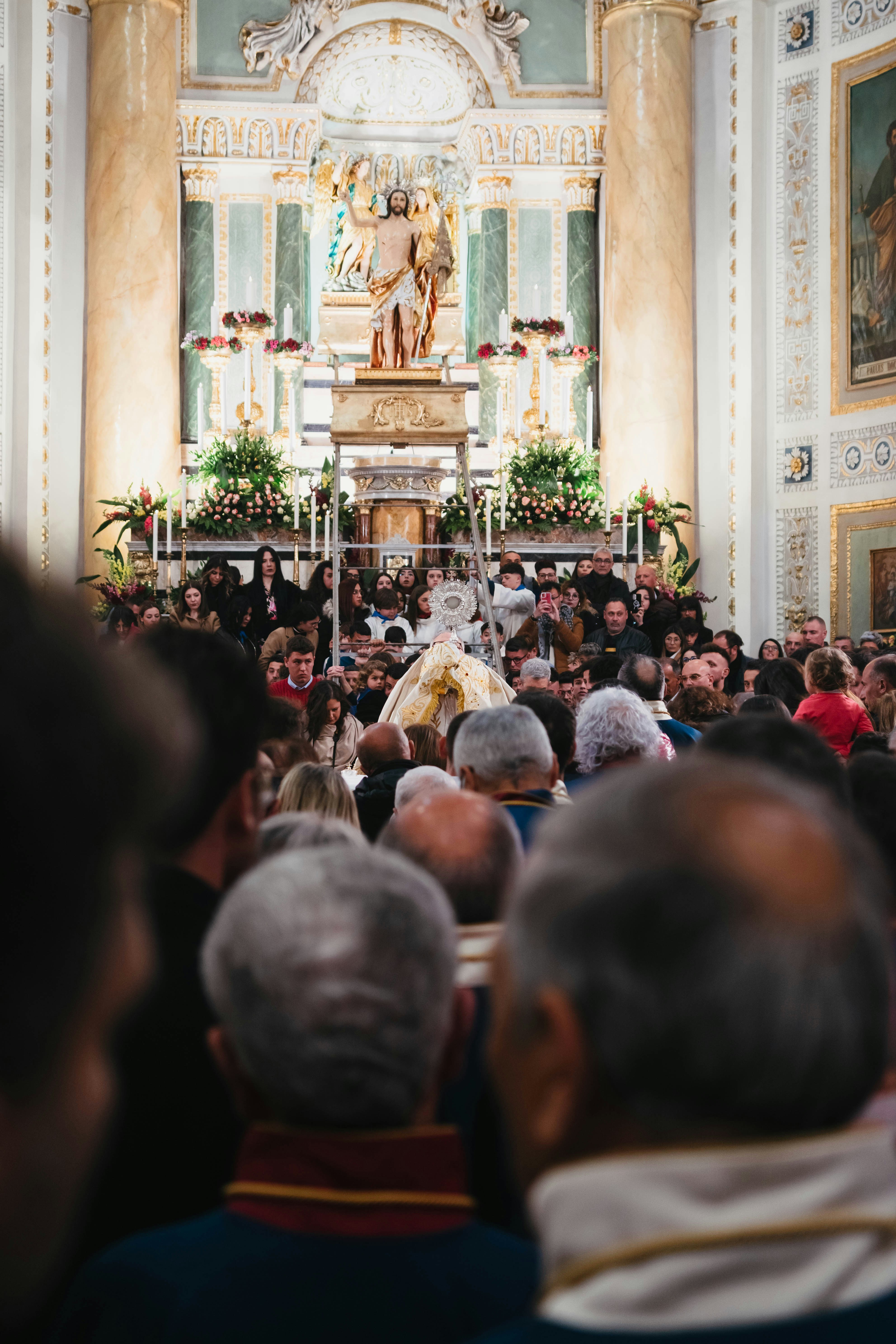
Understanding Shabbat: More Than Just Rest
Shabbat, the Jewish Sabbath, is far more than a mere day of rest; it represents a profound opportunity for spiritual growth and communal bonding. Observed from Friday evening until Saturday night, Shabbat serves as a cornerstone of Jewish identity and tradition, embodying principles of reflection, renewal, and reconnection with both God and community. Its roots, deeply embedded in the biblical narrative of creation, where God rested on the seventh day, provide a foundation for its observance, encouraging individuals to pause from daily labors and engage in restorative practices.
The significance of Shabbat extends into the communal realm, as it fosters unity among family and friends. Gathering for shared meals, reciting prayers, and celebrating rituals such as lighting candles and enjoying festive meals create an atmosphere of joy and connection. These age-old practices allow participants to immerse themselves in the traditions of their ancestors while simultaneously fostering a sense of belonging within their spiritual community. Shabbat gatherings often invite reflection, encouraging individuals to contemplate their week’s experiences and aspirations, thereby reinforcing their spiritual journey.
Throughout history, Shabbat has evolved to adapt to contemporary realities while retaining its essence. Though its observance may differ among various Jewish denominations, the core understanding remains intact: it is a sacred time set aside for rest, introspection, and community. In this digital age, the Jewish community continues to find ways to connect during Shabbat services, whether through in-person gatherings or virtual experiences, ensuring that the principles of unity, faith, and shared belief endure. By honoring Shabbat, individuals not only renew their spirit but also recommit to their collective values and connections, creating a rich tapestry of shared experience that transcends generations.
The Importance of Gathering: Hebrews 10:24-25 Explained
The biblical passage of Hebrews 10:24-25 serves as a foundational text for understanding the significance of communal worship among believers. This verse explicitly encourages individuals to consider one another in order to stimulate love and good deeds. The author of Hebrews emphasizes that assembling together is not merely a recommendation, but a crucial act of obedience, reflecting the intrinsic value of fellowship within the faith community. The implications of these verses stretch beyond mere attendance; they encompass the nurturing of relationships, promoting accountability, and fostering spiritual growth.
In a world often driven by individualism, the directive to gather becomes a profound reminder of the importance of community. Fellowship acts as a supportive framework where believers can share their burdens, joys, and spiritual experiences. As individuals gather, they create a space for encouragement, allowing them to uplift one another in their respective journeys. This network of support is vital for overcoming personal struggles and deepening one’s faith. Moreover, engaging with fellow believers strengthens one’s commitment to living out the teachings of Christ, leading to a more vibrant expression of faith.
Moreover, gathering serves as a platform for mutual accountability. In the context of fellowship, believers can gently guide each other, helping to avert moral pitfalls and encouraging a collective pursuit of righteousness. This shared experience cultivates an environment where individuals feel safe to express doubts and seek guidance, thus enhancing their spiritual resilience.
Ultimately, Hebrews 10:24-25 encapsulates the essence of Christian fellowship, underpinning its importance for spiritual and communal health. The act of coming together, as encouraged in this scripture, fosters an enriching environment where love, good deeds, and accountability flourish, reinforcing the belief that no one should walk their spiritual journey alone.
Spiritual Practices During Shabbat
Shabbat, a sacred day in the Jewish calendar, is fundamentally a time for spiritual rejuvenation and communal cohesion. Various spiritual practices are observed during Shabbat gatherings, significantly enhancing the collective experience of worship while deepening individual connections to God. One of the primary rituals is the communal singing of traditional hymns and songs, which serves not only to uplift the spirit but also to unite participants in harmonious reverence. These melodies, often carried through generations, reflect deep theological significance and foster a profound sense of belonging among congregants.
Prayer is another essential spiritual practice during Shabbat, encapsulating both individual and communal expressions of faith. Through structured liturgy, attendees engage in prayers that resonate with long-standing traditions, including the recitation of the Shema and the Amidah. These prayers not only serve to invoke divine presence but also foster a reflective mindset among participants, encouraging them to internalize their spiritual aspirations and communal responsibilities. The atmosphere of prayer during Shabbat is typically imbued with a sense of tranquility, inviting worshippers to engage in introspection while collectively supporting one another in their spiritual journeys.
In addition to singing and prayer, Shabbat teachings play a vital role in enriching the communal experience. Often led by spiritual leaders, these teachings may include readings from the Torah, discussions on ethical principles, or explorations of historical narratives. Such insights facilitate spiritual growth and catalyze meaningful conversations among community members, ensuring that the knowledge shared is relevant and engaging. By incorporating elements such as storytelling and discussion, these teachings enhance the holistic nature of Shabbat celebrations, allowing for deeper understanding and stronger interpersonal connections.
Community Encouragement: Building Each Other Up
In the framework of a Shabbat gathering, the concept of mutual encouragement takes on a profound significance. These weekly assemblies not only celebrate the sanctity of rest but also serve as a platform for building one another up within the community. Attendees engage in practices that foster a supportive environment, which is essential for personal and collective spiritual growth.
One of the most impactful ways to encourage community members during Shabbat is through prayer. When individuals come together to pray, they create a unified space where collective concerns and joys can be expressed. This shared act of devotion allows for the uplifting of spirits and fosters a sense of belonging. It becomes a means to reflect on personal struggles and victories, and as community members share their prayers, they forge deeper connections with one another.
Testimonies play an equally vital role in binding the community. When individuals share their life experiences, whether they be trials or triumphs, it not only encourages others but also illustrates the faithfulness of the community. These stories often resonate on multiple levels, inspiring hope and motivating individuals to remain steadfast in their faith. Sharing life experiences reminds participants that they are not facing their challenges in isolation, but rather, they are part of a supportive network that is willing to uplift them during difficult times.
Moreover, the practice of storytelling and testimony provides a unique opportunity for members to witness the diverse paths of faith within their community. Each story contributes to a tapestry of shared experiences, emphasizing the notion that every individual’s journey is significant. By engaging in these practices, Shabbat gatherings become not merely an act of worship, but a celebration of the strength derived from collective encouragement.
Fellowship and Worship: A Harmonious Blend
The experience of Shabbat transcends mere observance; it embodies a celebration of community and collective worship. Central to this observance is the interplay between fellowship and worship, which together create a profound atmosphere that fosters spiritual growth and mutual support among believers. When individuals gather to engage in communal worship, they not only express their faith collectively but also cultivate deeper relationships with one another.
During Shabbat, the rituals become more than personal or isolated experiences; they transform into shared acts that bind individuals together. For instance, prayers recited in unison elevate the spirit of the gathering, instilling a sense of belonging and interconnectedness among participants. This collective engagement in worship enhances the overall Shabbat experience, allowing for a rich exchange of spiritual insights and personal reflections that might not occur in solitary practice.
The act of sharing meals, singing songs, and engaging in meaningful dialogue further reinforces this bond, providing individuals with opportunities to connect on emotional and spiritual levels. Within such an environment, members of a community can openly share their concerns and joys, thereby strengthening their relationships. The communal aspect of Shabbat fosters an inclusive spirit, inviting everyone to partake in the joys of fellowship while deepening their commitment to their shared beliefs.
Moreover, the cyclical nature of Shabbat serves as a reminder of the importance of coming together regularly to celebrate faith. Each week provides a new opportunity to reconnect with fellow believers, highlighting the essential role of community in worship. This harmonious blend of fellowship and worship not only enhances individual spiritual journeys but also solidifies the foundation of a vibrant, supportive community.
Shabbat Traditions: Cultivating Community Spirit
Shabbat, observed weekly from Friday evening to Saturday night, is a cornerstone of Jewish life, embodying deep spiritual significance and community engagement. Various traditions associated with Shabbat serve to enhance the sense of community spirit among participants, illustrating the importance of collective worship and fellowship. One of the most recognized practices is the lighting of candles on Friday evening, a beautiful ritual that symbolizes the beginning of Shabbat. Typically, it involves the matriarch of the family or the head of the household kindling the flames, reciting blessings that invoke peace and sanctity, thus establishing an atmosphere of mindfulness and togetherness.
A communal meal, known as the Shabbat dinner, follows the candle lighting. This meal is not merely a family gathering but an event that emphasizes sharing and interconnectedness. Traditionally, challah bread plays a central role, often braided to symbolize unity, and is accompanied by a blessing over the wine or grape juice, referred to as Kiddush. This ritual not only sanctifies the meal but also fosters discussion and bonding among friends and family, as they engage in meaningful conversations that reinforce their collective identity and values.
Another significant aspect of Shabbat is the recitation of blessings and prayers that encompass the ideals of gratitude and reflection. The Friday night service, along with the morning prayers on Saturday, invites congregational gathering, often leading to communal singing and the sharing of uplifting messages. These sacred gatherings contribute to the collective atmosphere of worship, creating a nurturing environment where individuals can strengthen their spiritual ties while developing lasting relationships within the community. Overall, each Shabbat tradition not only enriches individual spirituality but also cultivates a robust sense of community, making the observance of Shabbat a vital expression of fellowship.
The Role of Music in Shabbat Celebrations
Music holds a pivotal role in Shabbat celebrations, serving as a medium that fosters connection and enhances the overall worship experience within the community. The sound of melodies, whether sung or played instrumentally, creates an inviting atmosphere that encourages participation and spiritual engagement among attendees. Through music, traditions are passed down, stories are shared, and the collective spirit of the gathering is elevated.
During Shabbat, various types of songs are typically performed, including liturgical hymns, folk songs, and traditional chants. The ‘Shalom Aleichem,’ which welcomes the angels of peace, is often among the first songs sung to set a tone of serenity. Similarly, ‘Lecha Dodi’ is a beloved hymn that embodies the joy of welcoming the Sabbath, celebrating its spirit and significance. Each song holds meaningful lyrics that reflect themes of peace, unity, and divine connection.
The use of music not only enriches the atmosphere but also serves as a bonding experience among community members. When individuals join in singing or playing instruments, it creates a sense of belonging and togetherness, reinforcing the communal aspects of worship. The shared act of music-making can dissolve barriers between individuals, allowing for deeper connections as they partake in this sacred time collectively. Furthermore, instrumental accompaniment, whether through guitars, pianos, or other instruments, adds depth to the experience, weaving a tapestry of sound that enhances the emotional resonance of the lyrics being sung.
As the community gathers on Shabbat, music becomes a powerful tool to uplift spirits and encourage reflection. The songs not only enrich the worship experience but also serve as a reminder of shared heritage and values, allowing each participant to feel an integral part of a larger narrative that is both timeless and universal. This harmonious fusion of tradition and creativity exemplifies the essential role of music in Shabbat celebrations.
Testimonies: Sharing Lives and Faith
In many communities, the practice of sharing personal testimonies during Shabbat serves as a powerful avenue for fostering unity and spiritual growth. Individuals recount their journeys of faith, detailing challenges faced and victories achieved, thus illustrating the transformative power of fellowship. These narratives, laden with personal authenticity, create an atmosphere where vulnerability is not only accepted but celebrated. As participants share their life stories, they weave a rich tapestry of experiences that underscore the shared human condition.
Listening to the testimonies of others provides an opportunity for reflection and encourages congregants to confront their own struggles openly. The act of sharing is cathartic; when individuals openly discuss their faith, doubts, trials, and ultimate triumphs, it cultivates a sense of belonging within the congregation. This connection often inspires others to draw upon their strength, leading to a supportive environment where personal and collective faith can flourish.
Moreover, these testimonies play a crucial role in nurturing spiritual growth and resilience among community members. Each story serves as a beacon of hope, illustrating the workings of faith in the face of adversity. As the community hears about the grace and support received during times of hardship, it instills a deeper sense of trust and encourages congregants to rely on one another. Consequently, the act of sharing becomes a vital element in the overall experience of Shabbat, reinforcing the idea that individuals are not alone in their journeys.
Through the act of testimony during Shabbat, community members engage in meaningful dialogue that fosters mutual respect and understanding. As stories intertwine, the resulting bonds enhance communal life, leading to a rich and fulfilling worship experience. The depth and authenticity found in these shared narratives are integral to the Shabbat tradition, creating an enduring legacy of support and encouragement within the community.
Creating a Welcoming Environment for All
Inclusivity is a vital aspect of enriching the Shabbat experience, and fostering a welcoming environment is crucial for the growth and sustainability of any Shabbat community. Individuals from various backgrounds and beliefs contribute unique perspectives that can enhance communal worship. Therefore, it is imperative to implement strategies that ensure inclusivity, allowing everyone to feel valued and embraced.
One effective approach to creating a welcoming atmosphere is through community engagement and outreach initiatives. By actively connecting with diverse groups, whether through local outreach programs or partnerships with nearby organizations, Shabbat communities can broaden their appeal. Offering accessible services and events that cater to different cultural backgrounds can significantly enhance participation. Language inclusivity, for example, can be achieved by providing bilingual or multilingual materials, ensuring that everyone can follow along and feel involved.
Moreover, tailoring programming to reflect the community’s diversity is essential. Incorporating various traditions and practices into the Shabbat observance not only celebrates differences but also fosters a sense of belonging among newcomers. Encouraging members to share their stories or practices during communal gatherings can further the commitment to inclusivity, creating a platform for dialogue and connection. Additionally, establishing mentorship programs for newcomers can ease their transition, promoting friendships that transcend cultural and spiritual divides.
Furthermore, paying attention to physical space can significantly impact how welcoming a community feels. Ensuring accessible facilities for individuals with disabilities is a fundamental step in fostering inclusivity. A thoughtfully arranged environment, with areas designated for socializing, can encourage interaction among members and newcomers alike. Ultimately, adopting these practices can cultivate a Shabbat community that honors diversity and nurtures connections, ensuring that all participants feel embraced and celebrated during communal worship.