
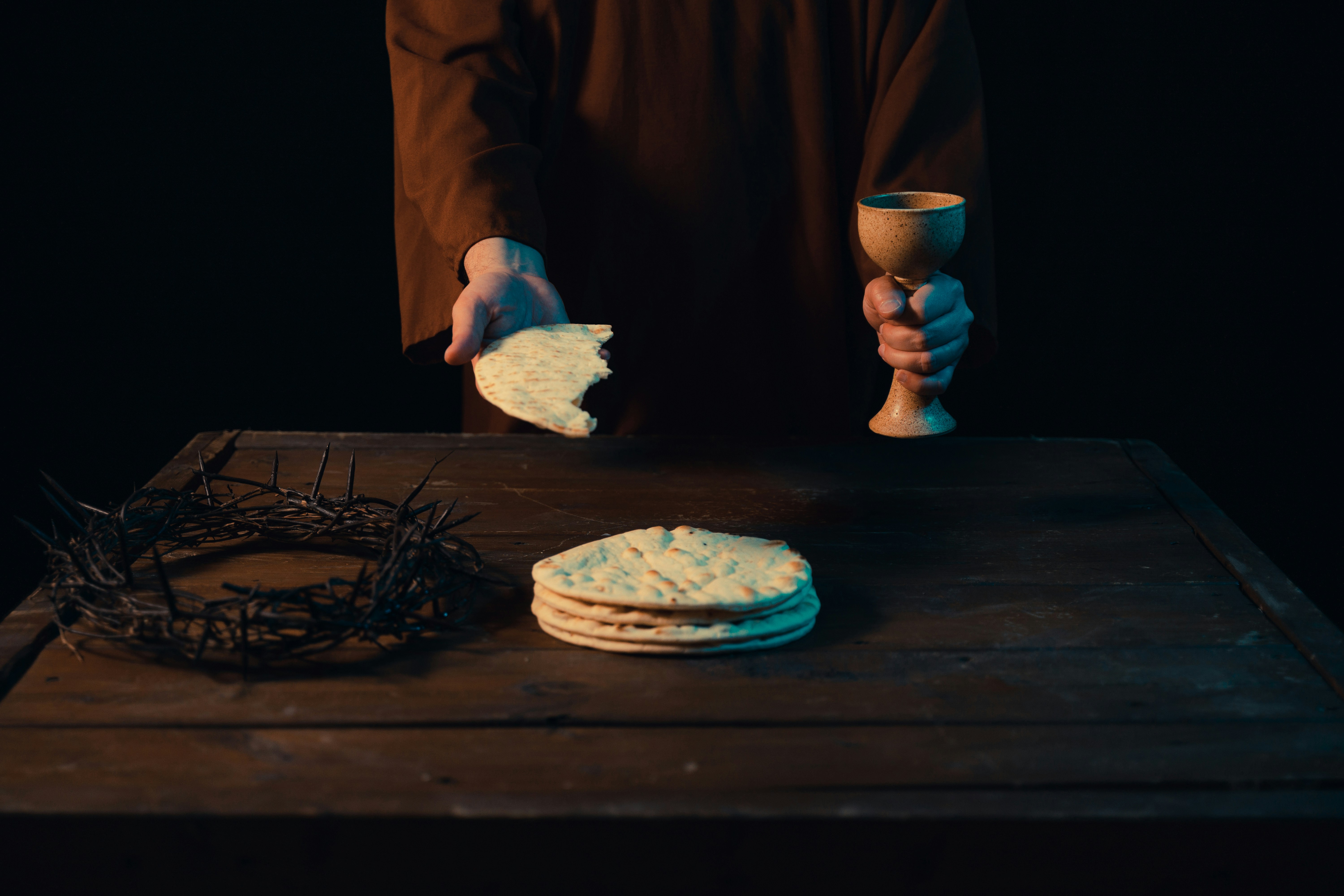
Introduction to the Blessing of Bread
The blessing of bread is a profound practice found across various cultural and religious traditions, serving as a vital acknowledgment of the fundamental role that bread plays in human sustenance and community. This ritual reflects the universal significance of bread, symbolizing nourishment, sharing, and the interconnectedness of life. In many cultures, bread is not merely a food item; it is steeped in layers of meaning, representing life itself and the abundance of the earth.
From ancient times to modern-day practices, the ritualistic blessing of bread has been a means for individuals and communities to express gratitude for the sustenance provided by nature. In Christianity, for instance, the blessing often occurs during the Eucharist, where bread embodies the body of Christ, highlighting its spiritual connotation. Similarly, in Jewish tradition, challah is blessed during Shabbat and festivals, encapsulating the essence of rest and celebration, acknowledged through prayer and communal gatherings.
This sacred custom transcends specific religions and cultural boundaries, fostering a sense of community among participants. In many traditions, the act of breaking bread together signifies unity and shared purpose, often serving as the foundation for family gatherings, festive occasions, and communal feasts. The blessing of bread thus evolves into a vital ritual that not only sustains physical hunger but also nurtures spiritual and emotional bonds within communities.
At its core, the tradition of blessing bread invites individuals to reflect on the interplay between the material and spiritual dimensions of life. By recognizing the significance of bread in their daily existence, individuals participate in a timeless ritual that honors the earth’s bounty and the shared experiences of humanity. Consequently, the practice serves as a reminder of the spiritual depth underlying what may seem like a simple act, creating opportunities for reflection, gratitude, and connection.
The Symbolism of Bread in Religious Contexts
Bread holds profound significance across a multitude of religious traditions, representing fundamental aspects of life and sustenance. In Christianity, bread is synonymous with the body of Christ, particularly emphasized during the sacrament of the Eucharist. This ritual signifies not only a spiritual communion with Christ but also aims to nourish the faith of believers. Many Christians often reflect on the phrase “I am the bread of life,” illustrating how bread embodies divine nourishment for the soul, further cementing its importance in the religious experience.
Furthermore, the act of breaking bread is a symbol of fellowship and unity among congregants, transcending the mere physical act of eating. It reflects the communal aspect of worship, where sharing a meal signifies sharing in faith, love, and support. This concept of bread as a unifying force is echoed in various cultures and other faiths, demonstrating its universal appeal as a source of sustenance.
In Judaism, bread also carries deep spiritual overtones, particularly during Shabbat and holidays like Passover. The ritual of challah, a braided bread served during these occasions, symbolizes the mana that nourished the Israelites during their desert wanderings. In this context, bread represents both physical sustenance and a reminder of spiritual heritage, connecting the past with the present through the act of sharing meals in accordance with tradition.
Moreover, in Islam, bread or khubz is a staple food that signifies life’s sustenance. The Prophet Muhammad emphasized gratitude for such provisions, reminding followers that bread is a blessing, embodying sustenance both for the body and a tool for social connection within the community. This highlights the overarching theme of bread as a vital element in human existence, cherished across religions for its role in sustaining not only the body but the spirit as well.
The Origin of the Blessing Prayer
The blessing prayer, ‘Blessed are you, Lord of creation, who gives us bread from the earth,’ holds significant historical and theological importance within various religious traditions, particularly within Judaism and Christianity. Its origins can be traced back to ancient biblical texts that emphasize the relationship between God, the natural world, and human beings. The prayer encapsulates the essence of gratitude for God’s provision, highlighting bread as a vital element of sustenance and life itself.
The scripture notably references the importance of bread in both the Hebrew Bible and the New Testament. For instance, in the book of Deuteronomy, there is a strong emphasis on God’s role as a provider, directly linking the gifts of the earth to divine blessing. This foundational view established a practice where the offering of thanks became not only customary but essential to the spiritual life of the Jewish people. Over centuries, this ritual evolved, incorporating various customs and cultural contexts while maintaining its core message of gratitude.
<pthe a=”” act=”” adapted=”” adopted=”” and=”” as=”” associated=”” became=”” between=”” blessings,=”” bread=”” bread,=”” breaking=”” centuries=”” christian=”” communities=”” continuation=”” continuous=”” coupled=”” creation,=”” creation.=”” during=”” early=”” emphasizing=”” for=”” fundamental=”” god’s=”” god,=”” gratitude=”” himself=”” humanity.
Moreover, this blessing prayer has found its way into various cultural expressions, symbolizing communal gatherings and shared meals, reinforcing the importance of bread not only as a physical sustenance but also as a spiritual emblem binding individuals together in faith and appreciation.
The Role of Jesus Christ as the Living Bread
The concept of Jesus Christ as the ‘living bread’ is a significant theological theme that highlights His role in offering both physical and spiritual sustenance to humanity. This metaphor is rooted in the Gospel of John, particularly in John 6:35 where Jesus declares, “I am the bread of life; he who comes to me shall not hunger, and he who believes in me shall never thirst.” This statement illustrates the dual nature of nourishment that Christ provides—the material sustenance that individuals may seek, alongside the deeper spiritual fulfillment that comes through faith and belief in Him.
The significance of the Last Supper further amplifies the meaning behind the living bread. During this pivotal event, Jesus breaks bread with His disciples and offers it as His body, stating, “Take, eat; this is my body, which is given for you” (Luke 22:19). This act not only serves as an invitation to partake in His sacrifice but also symbolizes an intimate communion between Christ and His followers. The Last Supper ultimately transforms the act of eating bread into a sacred ritual that emphasizes the importance of spiritual nourishment derived from a relationship with Jesus. It prompts believers to reflect on their dependence on Christ for sustenance beyond mere physical needs.
Furthermore, the portrayal of Jesus as the living bread encourages individuals to engage in a deeper spiritual journey. This theological perspective invites people to consider how their faith can influence their overall well-being and sustain them during challenging times. As Jesus nourishes the soul, He encourages believers to approach life with a renewed sense of purpose and hope, anchored in the promise of eternal life. Through this understanding, the role of Jesus as the living bread deepens believers’ spiritual engagement, emphasizing that true nourishment is found in a relationship with Him.
Breaking of Bread: A Moment of Community
The act of breaking bread together transcends mere nourishment; it embodies a profound tradition that fosters connections among individuals. Within various cultures and communities, this practice has served as a unifying experience, allowing people to gather, share stories, and strengthen their bonds. In the Christian faith, the ritual of breaking bread signifies more than the consumption of food—it symbolizes unity, fellowship, and shared beliefs.
The communal aspect of breaking bread holds significant importance within the Christian community. As believers partake in this sacred act, whether during weekly gatherings or special occasions, it becomes a moment for reflection and connection with both God and one another. Jesus Himself emphasized this act during the Last Supper, inviting His disciples to partake in the bread as a representation of His body and the wine as His blood, establishing a foundation for communal worship and remembrance.
In sharing meals, individuals are encouraged to let go of their differences and come together in a spirit of love and humility. This moment serves as a reminder of the shared journey of faith, as well as a call to support one another in both spiritual and practical matters. Breaking bread can also facilitate open discussions, allowing for the sharing of diverse perspectives and experiences, ultimately leading to a deeper understanding of unity in faith and purpose.
Moreover, congregational meals often extend beyond the church walls, as families and friends gather at their tables to share food and fellowship. These experiences emphasize the importance of community, hospitality, and sharing God’s blessings with one another. In every slice and every bite, breaking bread encapsulates the essence of communal ties—a sacred opportunity for building relationships and reflecting the love of God within a community.
The Cultural Variations of Bread Blessings
Bread, a fundamental staple in many cultures, carries with it profound significance, often celebrated through a variety of blessings and rituals. These practices not only highlight the essential role of bread in sustenance but also reflect the unique traditions of different communities around the globe. In many cultures, blessings for bread are interwoven with religious beliefs, marking the importance of this staple in spiritual practices.
In Christian traditions, for instance, a common practice is the ritual of saying grace before a meal, which often includes a specific acknowledgment for the bread. This prayer typically expresses gratitude for the food and recognizes the divine provision of sustenance. Meanwhile, Jewish customs surrounding bread include the recitation of the “Hamotzi” blessing, which is performed before sharing challah or other types of bread during festive meals. This specific blessing not only sanctifies the meal but also acknowledges the connection between faith and nourishment.
In various Indigenous cultures, bread blessings may take on a different form. For example, some Native American tribes incorporate bread, often made from corn, into ceremonial practices that honor the Earth and its bounty. These rituals serve as a reminder of the relationship between the community and nature, emphasizing gratitude for the harvest. Similarly, in many African cultures, bread may be used in communal gatherings, where ceremonial blessings are offered to honor both the bread and the people who partake of it.
Beyond religious connotations, bread blessings often manifest in social rituals. For instance, in Italian culture, it is customary to bless a loaf of bread before sharing it at family gatherings, highlighting the communal aspect of bread consumption. Each of these practices, whether religious or social, underscores a universal reverence for bread, showcasing the diverse, yet interconnected ways communities honor this sacred food.
Practical Applications of the Blessing in Daily Life
The tradition of the blessing of bread can be seamlessly integrated into various aspects of daily life, enhancing both personal and familial experiences. One effective way to incorporate this sacred ritual is during mealtime. Before sharing a meal, families can take a moment to pause and express gratitude for the food they are about to receive. This brief blessing can be as simple as acknowledging the effort that went into preparing the meal and reflecting on the nourishment it provides. Such practices do not only instill a sense of mindfulness but also strengthen familial bonds.
In addition to mealtime rituals, special occasions like birthdays, anniversaries, or holiday gatherings present an opportune moment to invoke the blessing of bread. Individuals can create a specific blessing tailored to the significance of the event, inviting guests to join in the acknowledgment of gratitude. This not only enriches the experience of the occasion but also fosters a shared sense of reverence and community among participants.
Furthermore, incorporating a blessing of bread into spiritual practices can deepen one’s connection to tradition. This could involve dedicating a quiet moment to the ritual before participating in larger religious gatherings, thereby making the act personal and reflective. For instance, lighting a candle and saying a blessing along with breaking bread can symbolize unity and reflection, enhancing one’s spiritual journey.
Lastly, simple acknowledgments throughout the day can include taking a moment to appreciate any form of bread, whether it be a slice of toast or a loaf shared among friends. These small gestures embody the essence of gratitude, ensuring that the blessing is not confined to specific ceremonies but instead thrives in everyday moments. By applying the blessing of bread in these varied contexts, individuals can cultivate a continual sense of appreciation, transforming ordinary experiences into cherished memories.
Reflections on Gratitude and Creation
The act of consuming bread transcends mere sustenance; it embodies a profound connection between individuals and the divine forces of nature. When one reflects on the journey of bread from field to table, it evokes feelings of gratitude towards God as the ultimate provider. Each loaf represents countless hours of labor by farmers, bakers, and artisans, symbolizing a shared commitment to nurturing life. This sacred relationship invites individuals to appreciate not only the food they partake in but also the intricacies of God’s creation.
As humanity faces challenges such as climate change and sustainability, it becomes imperative to understand our role within the greater ecosystem. The connection between bread and the earth serves as a reminder that every ingredient is a gift of creation, worthy of honor and respect. By practicing gratitude for the food that nourishes us, we cultivate a deeper awareness of the resources that contribute to our daily sustenance. This awareness fosters a sense of responsibility towards sustainable practices and encourages individuals to engage with local agricultural communities, thus strengthening the bond between consumers and food producers.
Moreover, embracing this gratitude extends beyond the individual to encompass the broader implications of food production. As we reflect on our consumption habits, we are prompted to consider how our choices impact the environment. The process of bread-making, from the cultivation of grains to the baking of loaves, offers opportunities for fostering ecological stewardship. By advocating for local sourcing and supporting sustainable farming initiatives, individuals can nurture both their well-being and that of the planet.
Ultimately, reflecting on the blessings of bread encourages a holistic appreciation of all that sustains us. It invites a transformative perspective that honors the intricate dance between creation and consumption, urging individuals to cherish and protect the gifts gifted to us by the earth.
Conclusion: The Timelessness of Bread Blessings
Throughout history, the blessing of bread has emerged as a common thread that unites diverse cultures and traditions. This sacred ritual transcends mere nourishment, embodying a profound connection to the divine, community, and the natural world. The act of giving thanks before sharing bread not only honors the sustenance provided by the earth but also acknowledges the labor and love invested in its preparation. Each loaf represents a tangible manifestation of life’s bounty, reminding us of the blessings that often go unnoticed in our daily lives.
Bread blessings have been practiced in various forms across religious contexts, from Christian Eucharistic traditions to Jewish Shabbat rituals. They serve as a powerful spiritual tool that fosters an awareness of gratitude, cultivating a deeper relationship with God and the universe. This practice connects individuals not only to their faith but also to their heritage, encouraging a sense of belonging. As generations pass these traditions down, the significance of bread blessings remains a testament to the enduring nature of human spirituality.
Furthermore, engaging in the ritual of bread blessings can enhance communal bonds among families and friends. It creates a moment of reflection and connection, fostering conversations about gratitude, love, and generosity. By cherishing these rituals, individuals can deepen their appreciation for the food they consume and the relationships they nurture. The experience is enriched by the collective moment of stillness, allowing participants to recognize the power of unity in shared blessings.
In conclusion, the tradition of bread blessings is a timeless practice that invites individuals to awaken their senses to the abundance surrounding them. Embracing this sacred ritual offers a pathway to greater mindfulness, enabling us to cultivate gratitude for not only the bread we break but also the connections we forge with both God and one another. In doing so, we honor the tapestry of life that sustains us all.