
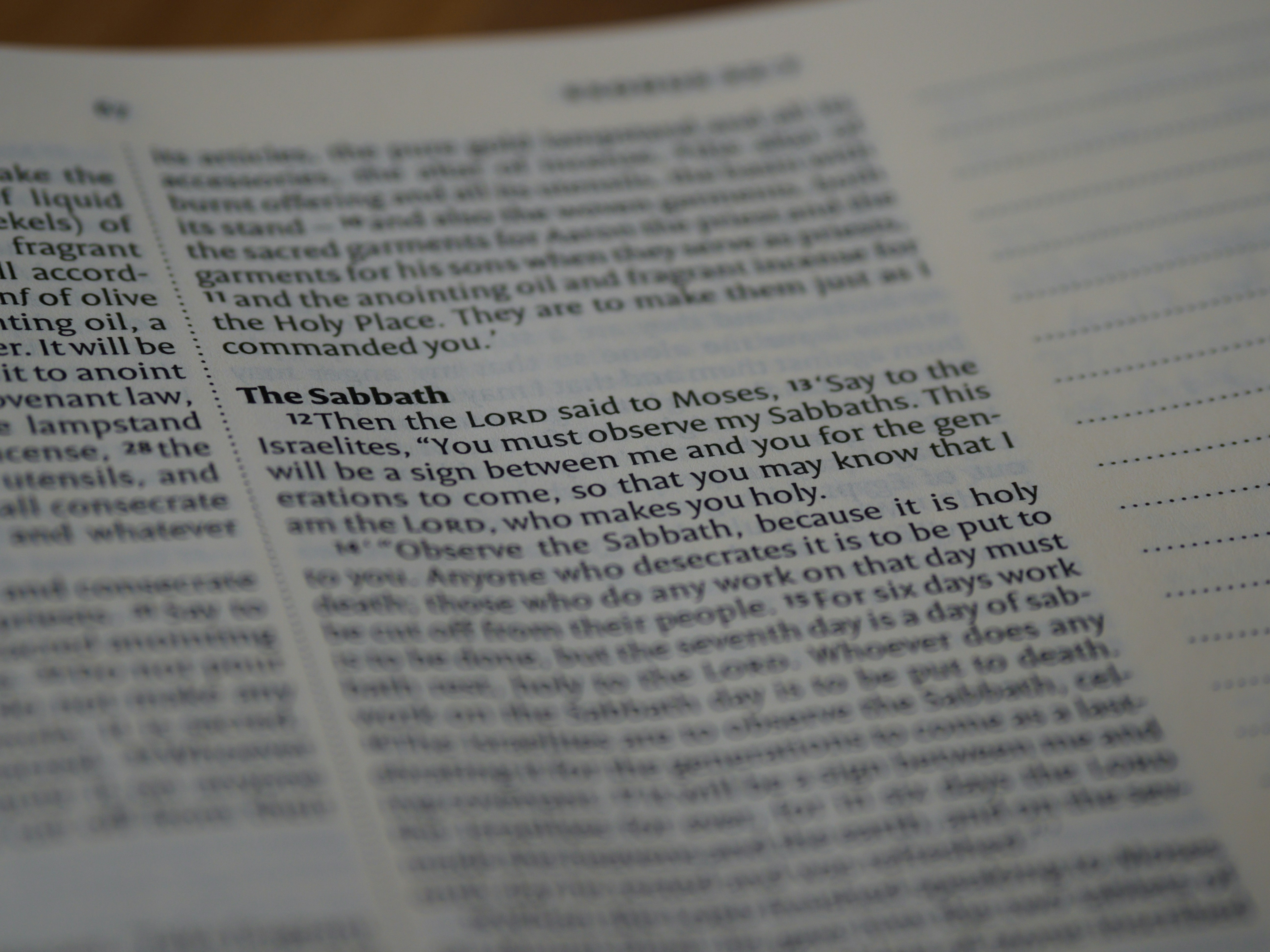
Introduction to Isaiah 66:22-23
Isaiah 66:22-23 is a key passage that presents a profound vision of the future in the context of the new heavens and new earth, a theme that resonates throughout the prophetic books of the Hebrew Scriptures. These verses serve to encapsulate God’s promise of restoration and renewal for His people after a period of turmoil and judgment. The larger narrative of the Book of Isaiah is marked by contrasting judgments and comforts, reflecting the dual themes of accountability and grace. In this light, Isaiah 66 emerges as a closing chapter, resounding with hope and divine assurance that extends beyond temporal existence.
The specific verses, Isaiah 66:22-23, assert that as the new heavens and earth will endure, so too will the legacy of God’s people—specifically, their worship and fellowship with Him. This passage highlights the eternal nature of God’s covenant and is a prophetic declaration that relates to both Jewish and Christian eschatologies. Worship in this eschatological vision is portrayed as continuous and joyful, suggesting an existence that transcends day-to-day limitations and aligns with the divine will. It reinforces the notion that every Sabbath, which traditionally represents rest and reflection in Jewish practice, will be upheld in the new creation, thus introducing readers to the profound concept of the “eternal Sabbath.”
As such, Isaiah 66:22-23 stands at the intersection of scriptural prophecy and theological interpretation, demanding a deeper exploration of its implications for believers. An understanding of these verses encourages a comprehensive engagement with the entire narrative of Scripture, revealing God’s ultimate intentions for His creation. Through a close examination of these prophetic verses, we begin to appreciate the richness of God’s promise and the anticipated reality of the new heavens and earth, creating a hopeful outlook for humanity’s future in divine communion.
The New Heavens and Earth: A Biblical Perspective
The concept of the new heavens and earth serves as a cornerstone of eschatological theology, grounding the Christian belief in renewal and restoration. This idea is prominently reflected in Scripture, particularly in passages such as Revelation 21 and 2 Peter 3, which provide insight into God’s ultimate vision for creation.
In Revelation 21:1-5, the Apostle John describes a profound transformation in which the first heaven and the first earth pass away, making room for a new creation. This imagery signifies not merely a physical renewal but also a spiritual awakening, where sorrow, pain, and death are eradicated. The promise of a new heaven and a new earth symbolizes God’s intent to create a dwelling place where relationship with Him prevails, characterized by peace and joy. Believers are assured that the former things will have passed away, indicating a complete restoration of God’s original design for humanity and creation.
Similarly, 2 Peter 3:13 emphasizes the expectation of a new heaven and earth, wherein righteousness dwells. This passage affirms the Christian hope that God will ultimately restore order and justice in the universe. The notion of righteousness associating with the new creation highlights the profound transformation that believers can anticipate—a world where God’s justice permeates all aspects of life, free from the corruption and suffering prevalent in the current world.
The references to the new heavens and earth resonate deeply with the promise of God’s faithful renewal. For believers, this serves as a reminder that despite current struggles, a divine restoration awaits. The anticipation of these eschatological promises should motivate Christians to live with hope and purpose, echoing the eternal significance of their faith and the inherent value placed on creation by its Creator.
Understanding the Sabbath in Scripture
The Sabbath is a central theme within the biblical narrative, emerging prominently in the Creation story found in Genesis 1 and 2. God established the Sabbath on the seventh day, marking it as a day of rest after six days of creation. This divine pause not only exemplifies God’s creative authority but also sets a precedent for humanity, emphasizing the importance of rest and reflection. The act of resting is described as God ceasing His work and sanctifying the day, thus highlighting its sacred nature and inviting humankind to partake in this rhythm of work and rest.
The significance of the Sabbath extends beyond its creation; it is integral to the Mosaic Law, as outlined in the Book of Exodus. The Fourth Commandment explicitly instructs the people of Israel to remember the Sabbath and keep it holy, establishing a regular observance. The Sabbath serves as a reminder of God’s covenant with Israel; it is a day dedicated to worship and an opportunity for the faithful to reconnect with their Creator. This observance not only fosters spiritual growth but also allows for communal gathering and renewal among God’s people.
<pthroughout a="" across="" also="" an="" and="" as="" becomes="" been="" believers="" biblical="" broader="" but="" command="" consider="" context="" day="" demands,="" emotionally.="" enabling="" enduring="" evident="" express="" fabric="" for="" gather="" generations.
The Prophetic Nature of Isaiah’s Message
The book of Isaiah is rich in prophetic discourse, addressing both the historical context of his contemporary audience and the eschatological hope for future generations. Isaiah, a prophet during a tumultuous time in Israel’s history, was tasked with delivering messages of judgment due to the nation’s unfaithfulness, as well as promising restoration for those who would return to the Lord. His message underscores a duality: the immediate consequences of sin and the ultimate redemption that God offers to His people.
Throughout the text, Isaiah articulates the themes of judgment and restoration with striking clarity. For instance, in the early chapters, he warns the people of impending judgment, evoking a sense of urgency for repentance. However, it is pivotal to note that these warnings are interspersed with promises of hope and renewal. In Isaiah 66:22-23, the imagery of a new heaven and new earth reflects this promise of restoration and continuity for God’s people, emphasizing the eternal aspect of their relationship with the Creator.
Isaiah’s prophetic words resonate beyond the immediate context, extending into the messianic future. This dual focus allows his message to transcend his contemporary audience, casting a vision that reaches into the ages to come. The text serves as a beacon of hope, assuring the faithful that God’s plans include not just judgment, but also a vibrant re-creation where worship and fellowship will continue unabated. Thus, Isaiah’s prophecies encapsulate a holistic view of God’s plan, where justice and grace are intricately woven together, reassuring believers of both their current state and their future in the new creation.
The Nature of Worship in the New Creation
In the depiction of the new heavens and earth as articulated in Isaiah 66:22-23, worship emerges as a central theme, reflecting the profound relationship between humanity and the divine. This envisioned future is characterized by an uninterrupted communion with God, where all people are called to worship Him continuously. The phrase “from Sabbath to Sabbath” indicates a rhythm of worship that transcends time, suggesting a perpetual celebration of God’s presence and grace.
Unity is a significant aspect of worship within this new creation. As seen in the scriptural vision, individuals from every nation come together to honor God, illustrating a harmonious gathering of diverse cultures and backgrounds. This inclusivity emphasizes the universal nature of God’s sovereignty and the collective acknowledgment of His majesty. In this context, worship is not merely a communal act; it is also an expression of shared identity among the people of God, unified in their reverence and love for the Creator.
Additionally, joy plays a vital role in the worship experience of the new heavens and earth. The anticipation of joy-filled worship highlights the transformation of human experience in the divine presence. Worship in this ideal state goes beyond traditional forms and rituals; it evolves into an encounter steeped in ecstasy and fulfillment, reflecting deep gratitude and reverence. It is a joyous celebration of God’s faithfulness and love, resonating through the hearts of all who gather to honor Him.
Ultimately, the envisioned worship from Sabbath to Sabbath serves to underscore the profound closeness of divine presence. In this new creation, the barriers that separate humanity from God are removed, allowing for an intimacy that fosters authentic worship. This sacred experience invites all individuals to collectively celebrate, rejoice, and commune with their Creator in an eternal state of worship, fulfilling the divine purpose for which they were created.
Eternal vs. Temporary: The Nature of the Sabbath
The concept of the Sabbath, as outlined in Isaiah 66:22-23, invites us to explore the distinct characteristics that differentiate the eternal from the temporary. Within the context of the biblical narrative, the Sabbath is not only a day of rest instituted during the creation but also a symbol of God’s covenant with humanity. In contrast to the old covenant’s practices, which were bound by time and often reflected cultural customs, the Sabbath holds an everlasting significance in God’s ultimate plan for creation.
In the old covenant, the Sabbath was observed weekly, serving as a rhythm of rest and reflection for the Israelites. However, these practices can be seen as temporary measures, designed to guide a specific group of people through a particular historical phase. They provided a glimpse into the divine order and foreshadowed a more profound, eternal reality. The verses in Isaiah 66 suggest that the future establishment of the new heavens and earth marks a transformative moment, shifting the understanding of the Sabbath from a mere observance to an everlasting principle of worship and communion.
The eternal nature of the Sabbath, as indicated in Isaiah, implies that believers can anticipate a time when this sacred day will be universally acknowledged. Verse 23 states, “From one New Moon to another, and from one Sabbath to another, all flesh shall come to worship before me.” This prophetic declaration points to a future where the rhythm of worship is central to existence. It emphasizes that the Sabbath serves not just as a day of rest but as an integral aspect of eternal life in God’s presence.
Thus, the verses in Isaiah advocate for a deepened understanding of the Sabbath as part of God’s enduring plan, contrasting earlier temporary observances with the promise of eternal communion in the new heavens and earth. The Sabbath’s significance transcends mere ritual, anchoring itself in the eternal worship of the Creator by all of humanity.
Reflections on the Relevance of the Sabbath Today
The concept of the Sabbath has profound implications for contemporary life, offering a structured pause amidst the relentless pace of modern existence. As we reflect on the relevance of the Sabbath, it becomes essential to understand its spiritual significance and practicality. The Sabbath is not merely a day of rest; it embodies a rhythm designed for rejuvenation and spiritual introspection, aligning believers with divine order. In the context of Isaiah 66:22-23, we can envisage a future where the Sabbath represents not only a time of rest but also an eternal celebration of fellowship with God.
Incorporating elements of Sabbath rest into daily life can transform our relationship with time and spirituality. For many, this may involve setting aside specific moments during the week dedicated to rest, worship, and reflection. By intentionally creating a Sabbath practice, individuals can cultivate mindfulness, an essential antidote to the distractions of everyday activities. Consider designating a day or even a few hours each week to disconnect from digital devices and reconnect with oneself, family, and spiritual commitments. This practice encourages moments of tranquility that facilitate deeper contemplation and connection with the divine.
The eternal implications of the Sabbath extend beyond mere observance; they prompt believers to engage in restorative practices woven into the fabric of everyday life. Such practices may include communal worship, personal reflection, and embracing silence. As Christians endeavor to instill these principles, the importance of the Sabbath becomes evident, serving as a reminder of God’s rhythm of creation and renewal. By revisiting these sacred moments, individuals can cultivate a sense of purpose and direction, reflecting on the eternal significance of the Sabbath in shaping both personal faith and communal identity.
Theological Implications of Eternal Worship
The concept of eternal worship, as it pertains to the passages in Isaiah 66:22-23, carries significant theological implications that shape our understanding of Christian eschatology, the character of God, and humanity’s relationship with the divine. In these verses, the imagery of ceaseless worship in the new heavens and earth presents a vision of a restored creation where believers engage in unending adoration of the Creator. This notion of eternal worship implies that the act of worship is not merely a practice restricted to earthly life; rather, it continues indefinitely, reflecting a profound relationship between God and His creations.
The theological implications also extend to our understanding of God’s nature. The invitation to engage in worship forever speaks to His holiness, righteousness, and love. The eternal worship of God reveals a central aspect of His character: that He desires an ongoing, intimate relationship with humanity. This permanence shows that worship is not merely a duty to fulfill but rather a privilege and an expression of the deep connection we share with the divine. Such a view enhances the notion of God’s omnipresence and His desire for communion with His people.
Moreover, the implications of this eternal worship are vital for understanding humanity’s role in the eschatological framework. It posits that humanity is designed for divine fellowship, significantly shaping our identity and purpose. The promise of worshiping God in eternity affirms our created purpose and emphasizes the importance of community among believers. By envisioning a future where worship is a central activity, this perspective challenges individuals to embrace worship as a transformative practice that influences their current lives, encouraging a shift towards a more profound reverence for God and His creation.
Thus, the theological implications of eternal worship remind believers of their identity in Christ and the ultimate goal of creation: to glorify God in all things, both now and forever.
Conclusion: Embracing the Eternal Sabbath
In reflecting on Isaiah 66:22-23, we gain a profound understanding of the concept of the eternal Sabbath within the framework of the New Heavens and Earth. This passage not only signifies the continuity of worship but also underscores the importance of regular communion with God. As believers, the promise of a future where we will eternally gather in worship serves as a beacon of hope and reassurance. The idea that every Sabbath we observe now foreshadows an everlasting experience can transform our spiritual lives, prompting us to view our practices in a new light.
The eternal Sabbath signifies more than a designation of time; it is a divine invitation to participate in an unbroken relationship with the Creator. This new reality compels us to prepare our hearts and minds for a life devoted to constant praise and worship. In our current lives, we can embrace this anticipation by dedicating our own Sabbaths as times of reflection, community, and connection with God. By integrating the essence of the eternal Sabbath into our daily routines, we cultivate a continuous state of readiness for the ultimate fulfillment of this promise in the future.
Moreover, the vision of Isaiah encourages us to recognize the transformative power of worship on our spiritual journeys. Engaging in regular worship equips us to navigate the challenges of our daily existence with grace and strength, infusing our lives with purpose and meaning. As we draw nearer to God in worship, we experience spiritual renewal and a clarity of vision that reshapes our understanding of our divine roles. In summary, embracing the eternal Sabbath alerts us to the richness and depth of our faith, reminding us that every act of worship now contributes to the magnificent symphony that awaits us in the new creation.