
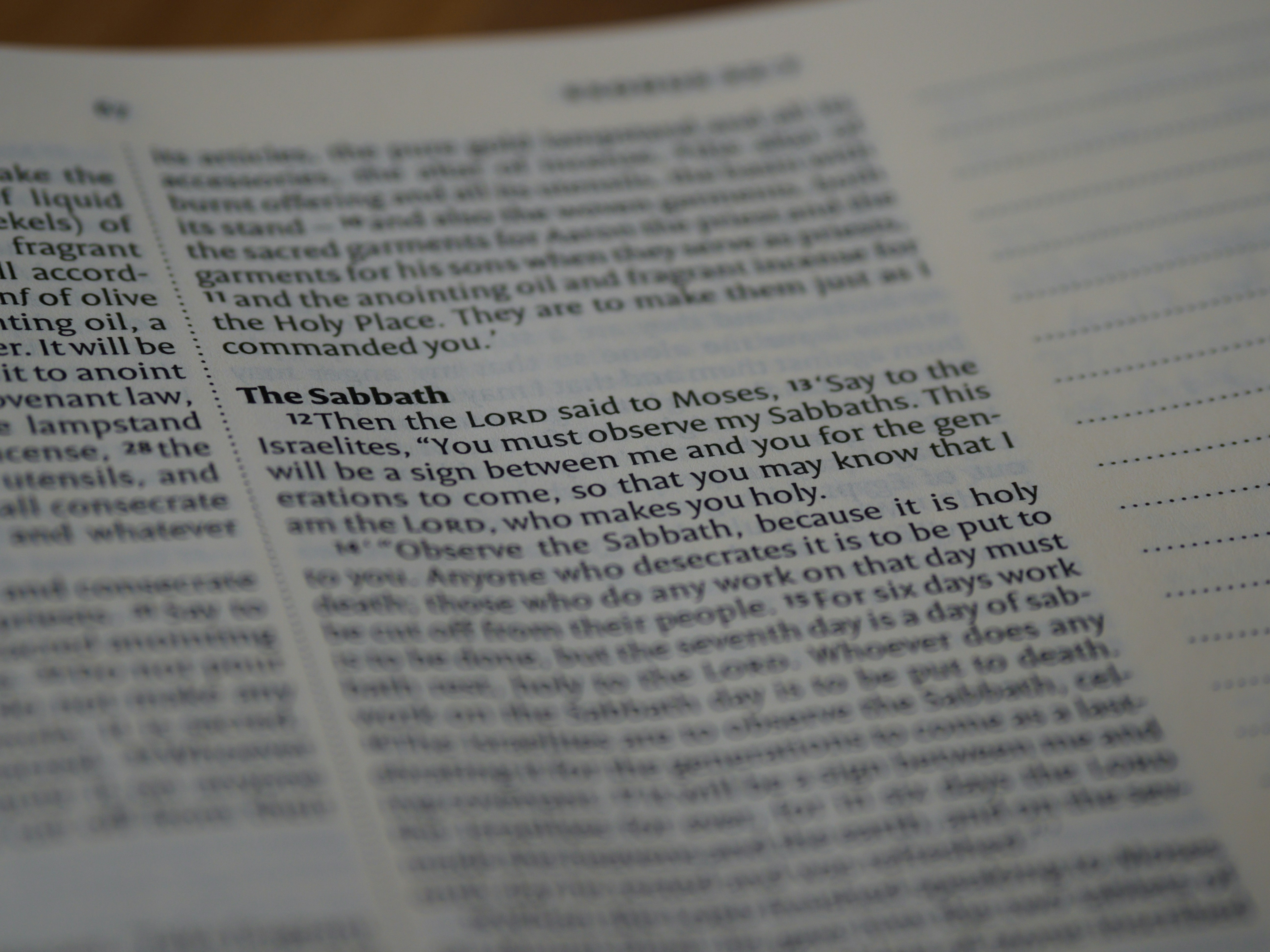
Understanding the Sabbath
The Sabbath holds a pivotal role in Judeo-Christian traditions, its significance rooted deeply in the biblical narrative. The origins of the Sabbath can be traced back to the Creation account found in the Book of Genesis, where God rested on the seventh day after six days of creation. This divine cessation from work not only set a precedent but also established a rhythm of labor and rest that has profound theological implications. The Sabbath serves as a reminder of God’s creative work and His sovereign authority over time and existence.
The formal establishment of the Sabbath as a day of rest is enshrined within the Ten Commandments. In Exodus 20:8-11, the directive to “remember the Sabbath day, to keep it holy” highlights the enduring nature of this commandment among the Israelites. It is significant to note that the Sabbath is not merely a day off; it embodies a covenant relationship between God and His people. Observance of the Sabbath becomes a means of acknowledging this relationship, fostering a sense of community and belonging within the Jewish tradition.
Jewish understanding of the Sabbath embraces various practices that emphasize rest and reflection. Traditionally, this day commences at sundown on Friday, inviting families to gather for communal meals and prayers. The prohibition of work during the Sabbath fosters an environment conducive to worship and family time, further emphasizing its sacred nature. As time progressed, interpretations of the Sabbath have evolved among different religious groups. For instance, Christian denominations approach the Sabbath with varying degrees of observance, often aligning it with Sunday as a day of worship. These contemporary practices reflect the underlying principles of rest and reflection while adapting to modern lifestyles.
Throughout history, the Sabbath has been a testament to faithfulness and spiritual renewal, carrying forward its divine significance into present-day observances across multiple faith traditions.
The Purpose of the Sabbath
The Sabbath serves as a divine appointment designed to facilitate rest, worship, and reflection. For adherents of various faith traditions, the observance of the Sabbath is seen as an intentional pause from the rigors of daily life, providing a structured opportunity to reconnect spiritually and recharge physically. This rest is not merely a cessation of labor; it represents a sacred time to contemplate one’s relationship with the divine.
At its core, the Sabbath emphasizes the importance of rest. In a society often characterized by constant activity and busyness, dedicating a day for rest becomes critical not only for physical rejuvenation but also for mental and emotional well-being. The act of resting on this day encourages individuals to step back from their responsibilities and distractions, allowing them to center their thoughts and reconnect with their inner selves. This intentional pause is essential for those seeking a deeper relationship with God, giving believers the space to cultivate their spiritual lives.
Moreover, worship is a fundamental component of the Sabbath. Engaging in communal or individual worship activities helps individuals express their reverence and gratitude towards God. This experience often includes prayer, singing, and other religious rites that enhance one’s spiritual connection. During the Sabbath, believers are encouraged to focus on their spiritual growth and reinforce their faith through these acts of devotion. The time devoted to worship allows individuals to align their lives with divine principles, fostering a sense of fulfillment and purpose.
Reflection also plays a vital role in the observance of the Sabbath. This period offers a unique opportunity for self-examination and contemplation of one’s life journey. Engaging in reflection aids believers in evaluating their actions and relationships, allowing for spiritual growth and enhanced understanding of God’s purpose for their lives. Through rest, worship, and reflection, the Sabbath acts as a powerful means of connecting with the divine, ultimately enriching one’s spiritual experience.
The Sabbath as a Time of Restoration
The Sabbath has long been regarded as a sacred time set apart for rest and reflection. This divine appointment with God serves to rejuvenate individuals spiritually, mentally, and physically, fostering a deeper relationship with the Creator. As the world becomes increasingly hectic, characterized by unrelenting demands of work and life, the need for a dedicated day for restoration becomes even more pronounced.
By designating the Sabbath as a time to step back from daily stresses, individuals have the opportunity to consciously acknowledge their limitations and the need for divine support. Engaging in restorative activities such as prayer, meditation, and fellowship with others enhances mental clarity and emotional healing. This intentional slowing down not only alleviates the pressures of life but also cultivates an environment in which individuals can hear God’s voice more clearly. In doing so, the Sabbath underscores humanity’s inherent need for divine presence and guidance amid chaos.
Furthermore, the physical aspect of restoration cannot be understated. Our bodies, much like our spirits, require intervals of reprieve to function optimally. The Sabbath encourages individuals to take time off from labor, allowing for relaxation and recuperation. This practice empowers a renewed sense of energy that can be utilized in the following week. It invites individuals to engage in nurturing activities that replenish the body, such as enjoying nature, gathering with loved ones, or simply experiencing moments of solitude.
In conclusion, the Sabbath embodies a vital opportunity for restoration amidst the noise of everyday life. By embracing this sacred time, individuals can renew their minds, bodies, and spirits, reflecting on their connection with God and the importance of rest in their spiritual journey. This practice nurtures not only personal well-being but also a deeper awareness of God’s presence in their lives. Through the observance of the Sabbath, people can truly experience the refreshment that comes from setting aside time for divine communion.
Entering God’s Peace and Joy
The observance of the Sabbath serves as a profound invitation for believers to enter into God’s peace and joy. This sacred time is rooted in biblical tradition, wherein the Lord Himself established a day of rest. In the creation narrative, God rested on the seventh day, marking it as holy (Genesis 2:2-3). This divine precedent highlights the significance of pausing from the busyness of life, allowing individuals to reconnect with their Creator and experience a deep sense of tranquility.
Many believers find that observing the Sabbath enables them to set aside worldly concerns and immerse themselves in the Lord’s embrace. As articulated in Isaiah 58:13-14, those who honor the Sabbath are promised joy in the Lord, a sentiment echoed in numerous personal testimonies. For instance, individuals recount transitions from overwhelming stress to profound peace when they intentionally reserve time for prayer, worship, and reflection. This intentional act of stepping back from daily responsibilities cultivates a space for divine encounters.
Moreover, the act of resting on the Sabbath reflects a trust in God’s provision. By relinquishing control over one’s schedule, believers acknowledge that their worth and peace do not stem from busyness but from their relationship with God. In doing so, they often experience a renewed sense of joy that transcends external circumstances. Many attest to feeling rejuvenated spiritually and emotionally after engaging in Sabbath activities such as family gatherings, reading Scripture, and moments of personal quietude.
As believers enter into God’s peace during the Sabbath, they cultivate a transformative experience, enabling them to carry this tranquility into their week. This designated time also emphasizes the importance of community and connection with others, further enhancing the joy that comes from shared worship and fellowship. Thus, the Sabbath stands as a priceless opportunity to nurture one’s spiritual life through immersion in God’s presence, unlocking the joy and peace that are central to the Christian experience.
Sabbath Practices Across Cultures
The observance of the Sabbath varies significantly across different cultures and faith traditions, reflecting a rich tapestry of rituals, activities, and meanings attributed to this sacred day. For Jewish communities, the Sabbath, or Shabbat, is a cornerstone of religious life, observed from Friday evening until Saturday night. This time is marked by festive meals, the lighting of candles, and prayers that encapsulate spiritual rest and familial connection. Traditional practices often include attending synagogue services, studying religious texts, and refraining from work, thereby emphasizing the importance of rest and renewal.
Christian denominations also prioritize the Sabbath, especially within contexts like Sunday worship. Many churches view this day as an opportunity for communal gathering, scriptural reflection, and worship services. Practices can differ; for instance, some Protestant communities engage in a relaxed observance with social activities, while Catholic traditions may include attending Mass and the sacrament of Eucharist. The emphasis for Christians often revolves around spiritual rejuvenation and dedication to God through collective and individual prayer.
In Islamic tradition, while the concept of Sabbath does not exist as defined in Judaism or Christianity, Friday is regarded as a significant day for congregational prayers, known as Jumu’ah. Muslims gather at mosques for communal worship and are encouraged to dedicate time to prayer and reflection on this day, thereby embodying the essence of rest in devotion to God.
Other cultures infuse their understanding of the Sabbath with unique rituals. Indigenous traditions may have their own sacred resting periods that align with seasonal cycles, emphasizing a connection to nature and spirituality. Regardless of the specific practices, the universal thread is the underlying need for a designated period of rest, reflection, and spiritual renewal, shaped profoundly by cultural context and religious beliefs.
Challenges of Observing the Sabbath
In today’s fast-paced and demanding world, the practice of observing the Sabbath can present a range of challenges that may hinder individuals from fully experiencing this sacred time. One of the most significant obstacles is the societal pressure to maintain a busy lifestyle, which is often equated with productivity and success. People are frequently inundated with work commitments and social obligations that may conflict with their desire to devote time to rest and spiritual reflection on the Sabbath. The ubiquitous nature of technology further complicates this issue, as constant notifications and online responsibilities can serve as distractions that detract from the sanctity of this day.
Moreover, work-related pressures can make it increasingly difficult to set aside time for Sabbath observance. Many individuals face the expectation to be available around the clock, resulting in a pervasive sense of guilt when contemplating a day of rest away from their professional duties. As workplaces increasingly prioritize efficiency, this mindset can marginalize the importance of taking a step back, which is essential for mental and physical well-being. This leads to a cycle where individuals may prioritize their job or other commitments over their spiritual needs.
To overcome these challenges, it is necessary for individuals to establish clear boundaries regarding their work and personal time. Prioritizing the Sabbath can involve discussions with employers about reasonable accommodations or finding a supportive community that reinforces the significance of this practice. Additionally, cultivating habits around dedicating time to spiritual reflection can provide motivation to resist distractions, helping to create an environment conducive to restful observance. By adopting practical strategies and engaging in intentional planning, individuals can navigate the complexities of modern life while honoring the Sabbath as a vital divine appointment with God.
Creating a Sabbath Routine
Establishing a Sabbath routine can significantly enhance the experience of this divine appointment with God, allowing individuals to cultivate a deeper sense of connection and rest. One effective strategy is to plan ahead to alleviate any stress that might disrupt the tranquility of the day. This involves preparing meals, setting aside time for personal reflection, and organizing family activities in advance. By doing so, one can avoid the distractions of daily life and fully engage in the sacred observance.
To foster an atmosphere conducive to worship and rest, consider incorporating specific activities that align with the essence of the Sabbath. Engage in sacred readings, whether from religious texts or inspirational literature, to nourish the spirit and promote introspection. Many individuals find solace in prayer and meditation, allowing for significant moments of connection with God. Additionally, nature walks or quiet time in the outdoors can provide a refreshing escape, encouraging a deeper appreciation for creation while reflecting on divine presence.
Engaging in meaningful conversations with family members or friends also enhances the experience. Sharing thoughts on scriptures or discussing personal insights evokes a sense of community and support. Consider incorporating family traditions, such as a Sabbath meal, where each member contributes reflections or gratitude, fostering a spirit of unity and joy. It is equally important to take time to disconnect from technology; creating a designated space for Sabbath observance can significantly reduce distractions and deepen the worship experience.
By establishing a structured yet flexible Sabbath routine, individuals can ensure that they get the most out of their divine appointment with God. Balancing preparation with the spontaneity of spiritual experiences is key, allowing for a deeply fulfilling and restful day dedicated to worship. Overall, making the Sabbath a priority fosters an enriching routine that resonates with one’s spiritual journey.
The Impact of Sabbath on Daily Life
Observing the Sabbath can significantly influence daily life, creating a transformative experience that resonates on multiple levels. This practice provides an intentional break from the routine hustle of life, offering not just rest but a chance for deeper reflection and connection with oneself, others, and the divine. As busy schedules often lead to stress and burnout, integrating a regular Sabbath practice into one’s lifestyle can lead to enhanced mental health. For instance, many individuals report that dedicating one day to rest helps alleviate anxiety and fosters a sense of peace, enabling them to manage their responsibilities more effectively during the week.
Beyond individual well-being, the practice of Sabbath can also fortify relationships. When individuals honor the Sabbath together, often as a family or community, they create space for genuine interactions free from distractions. This intentional time fosters meaningful conversations, enhances empathy, and nurtures connections, allowing for restorative moments with loved ones. Many people have shared stories of how shared Sabbath observances have entirely transformed family dynamics, leading to improved communication and a deeper understanding among family members.
Additionally, observing the Sabbath serves as a catalyst for spiritual growth. It allows individuals to step back from their daily challenges and engage in introspection, prayer, and meditation. This time not only rejuvenates the spirit but also cultivates a more profound sense of purpose in life. Numerous testimonies highlight how regular Sabbath observance has led to renewed faith and a stronger commitment to spiritual practices, ultimately impacting how one views daily responsibilities and interactions.
Through witnessing the personal transformations occurring in mental health, relationships, and spiritual depth, it becomes evident that the Sabbath carries profound implications for enhancing daily life. By embracing this divine appointment, many individuals discover a more balanced and fulfilling existence.
Embracing the Sabbath in Modern Times
In today’s fast-paced world, the significance of the Sabbath as a sacred time for rest and reflection is often overlooked. However, embracing the Sabbath can provide a vital counterbalance to our hectic lives, enhancing our spiritual health and overall well-being. The concept of the Sabbath transcends religious observance; it represents an opportunity to step back from the relentless demands of modern living. This day of rest is a divinely appointed time that invites individuals to reconnect with their spiritual selves, family, and community.
To cultivate a meaningful Sabbath experience, individuals are encouraged to prioritize this day amidst busy schedules. Setting aside dedicated time each week for rest, prayer, and reflection can help individuals regain a sense of peace and clarity in their daily lives. This practice can manifest in various forms, such as attending a worship service, enjoying nature, engaging in family activities, or simply unplugging from electronic devices to savor quiet moments of introspection. Each person’s Sabbath may look different, reflecting their unique spiritual journey and lifestyle, yet the essence remains the same—a sacred pause that fosters connection with the Divine.
Moreover, taking the time to reflect on one’s Sabbath experiences can lead to a deeper spiritual connection. Maintaining a Sabbath journal can serve as a powerful tool for recording thoughts, feelings, and insights gained during these moments of communion. This practice not only enhances self-awareness but can also illuminate the things that truly matter in life. As individuals come to appreciate the importance of the Sabbath, they may discover an enriched spiritual reality, clarity in their purpose, and a renewed sense of gratitude.
Ultimately, as we navigate the complexities of contemporary existence, refocusing our lives around the practice of the Sabbath is essential. Embracing this divine appointment is not just about observing a tradition; it is an invitation to experience fulfillment, rejuvenation, and a deeper relationship with God.