
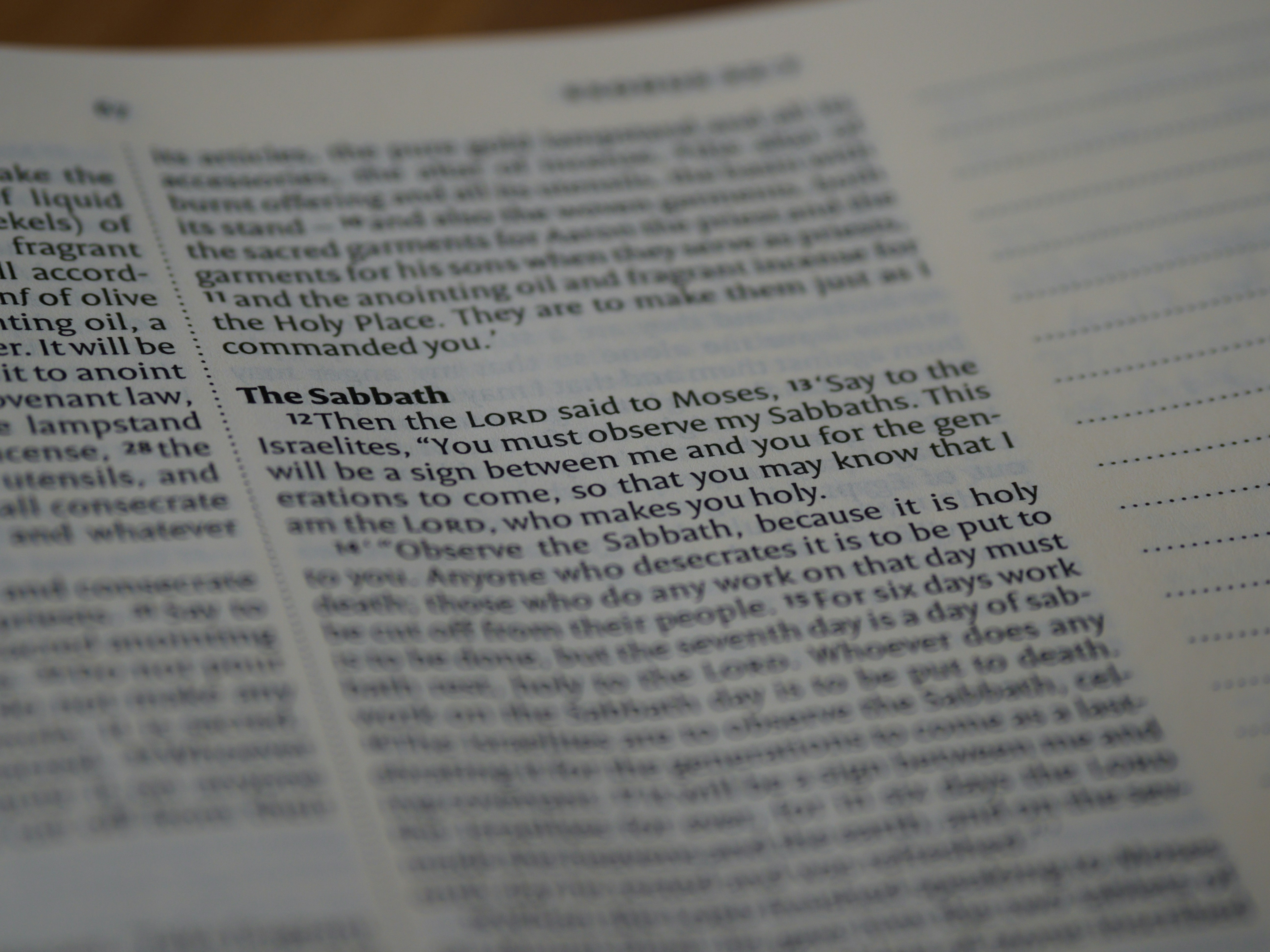
Introduction to Shabbat and the Fourth Commandment
Shabbat, or the Sabbath, is a fundamental aspect of Jewish tradition, characterized by a day of rest and spiritual rejuvenation. Its origins can be traced back to the Fourth Commandment, which is articulated in the biblical text of Exodus 20:8-11. This commandment directs believers to “remember the Sabbath day, to keep it holy,” emphasizing the importance of dedicating time away from the demands of daily life.
The significance of Shabbat lies not only in its observance as a day free from work but also in its role as a time for family gatherings, community connections, and spiritual reflection. By abstaining from mundane tasks and activities, individuals create a unique space for rest and enjoyment, allowing them to reconnect with both themselves and their faith. The notion of rest is central to the commandment, which roots Shabbat in the divine model of creation. In the biblical narrative, God rested on the seventh day after six days of creation, establishing a precedent for humankind to follow.
This day is more than just a break from labor; it is an opportunity to engage with one’s spirituality and engage in practices that foster a sense of peace and gratitude. Observing Shabbat encourages a rhythm to life that prioritizes reflection, community, and sanctity, reminding individuals of the deeper meanings of existence beyond the routine hustle. Furthermore, the observance of Shabbat serves as a reminder of the covenant between God and the Jewish people, reinforcing their identity and values.
In essence, the Fourth Commandment encapsulates the essence of Shabbat, illustrating its vital role in the lives of those who observe it. By understanding the importance of this day, individuals can appreciate how Shabbat not only honors tradition but also nurtures a broader spiritual and communal life.
The Biblical Basis for Keeping the Sabbath
The significance of the Sabbath is rooted in the biblical text of Exodus 20:8-11, which states, “Remember the Sabbath day, to keep it holy.” This directive is part of the Ten Commandments, highlighting its importance within the covenant relationship between God and the Israelites. The command to remember the Sabbath serves not only as a reminder of the creation narrative but also emphasizes the need to observe a day of rest, reflecting God’s own rest on the seventh day after creating the world.
In the context of Jewish tradition, the Sabbath, or Shabbat, is imbued with spiritual and communal importance. It is a day set apart from the ordinary activities of the week, allowing individuals to reconnect with their spirituality and community. The phrase “to keep it holy” implies that this day is different from others; it is dedicated to worship, reflection, and rest. This separation from the mundane underscores the holiness of the Sabbath and reinforces the idea that time itself can hold sacred significance.
The emphasis on the Sabbath within the biblical text reflects the broader themes of rest, creation, and redemption. In remembering the Sabbath, one recalls God’s creative act and His establishment of a rhythm of work and rest. Additionally, the observance of this day serves as a liberation from the demands of daily life, drawing parallels to the Israelites’ liberation from slavery in Egypt. By dedicating one day a week to rest and spiritual renewal, followers cultivate a deeper relationship with God, honoring the covenant and nurturing their identity within their faith.
Obedience in Observing Shabbat
The Fourth Commandment, which emphasizes the importance of observing the Sabbath, calls for a conscious reflection on the principles of obedience within the Jewish tradition. Keeping the Sabbath holy is not merely a ritualistic act; it is an expression of faith and allegiance to God’s commandments. In this context, obedience to Shabbat entails adhering to specific guidelines that delineate permissible activities from those that are prohibited. This observance is designed to foster a sense of rest, spiritual rejuvenation, and connection with the divine.
To maintain the sanctity of Shabbat, certain activities are traditionally restricted. This prohibition extends to work-related tasks, such as writing, cooking, and using electronic devices, which can be seen as distractions from the spiritual essence of the day. Instead, Shabbat invites individuals to focus on prayer, study, family gatherings, and community engagement. These activities not only reinforce the spiritual principles of Shabbat but also strengthen social bonds and promote collective well-being among the community.
On the other hand, there are also actions that are permitted on Shabbat. Activities such as enjoying festive meals, engaging in religious observance, and participating in communal prayers are encouraged. This balance between prohibitions and permissions is essential to understanding the true nature of Shabbat. It reflects a larger framework of obedience not only to the commandments but also to the essence of life as ordained in Jewish law. The act of resting on this day symbolizes a relinquishing of control and an acknowledgment of a higher power.
Ultimately, obedience in observing Shabbat transcends the physical actions one takes; it embodies a holistic approach to living in alignment with divine expectations. This practice serves not only as a commitment to the Fourth Commandment but also as a guide for ethical behavior in all areas of life, fostering a rhythm that allows for both spiritual growth and community harmony.
The Role of Rest in Spiritual Life
Rest plays a crucial role in the spiritual life of an individual, particularly within the context of Shabbat. The concept of rest is not merely about physical downtime; it encompasses a profound opportunity for rejuvenation, reflection, and spiritual renewal. In observing the Sabbath, adherents dedicate this time to step away from the routine demands of daily life, allowing them to reconnect with their inner selves and with God.
On a physical level, rest permits the body to recuperate, but it also offers an essential psychological respite. This pause from the hustle and bustle of everyday responsibilities frees one’s mind, providing a space conducive to introspection and contemplation. Engaging in restful activities during Shabbat—such as prayer, meditation, and study—fosters a deeper connection with one’s faith. Through these acts, the individual strengthens their covenantal relationship with the Divine, reinforcing the spiritual bonds that guide their lives.
Moreover, the act of resting aligns with the broader teachings found in various spiritual traditions, where the concept of sabbatical periods is valued. Rest is often viewed as a divine commandment, emphasizing the need for balance in life between work and spiritual observance. By adhering to this sacred time, practitioners embody the principle of mindfulness, capturing the essence of slowing down to appreciate the blessings and lessons life presents. This, in turn, allows one to approach both their spiritual and physical endeavors with renewed energy and clarity.
In essence, the sanctity of Shabbat serves as a reminder of the importance of rest in achieving spiritual fulfillment. By embracing this time for reflection, prayer, and deeper contemplation, individuals cultivate a richer relationship with God, paving the way for enhanced spiritual growth and understanding.
Covenantal Significance of Shabbat
Shabbat, or the Sabbath, holds a profound place in Jewish tradition, acting as a vital symbol of the covenant between God and the Jewish people. This weekly day of rest is more than just a pause from daily activities; it is a deliberate act of honoring the divine commitment that God made with the Israelites. The observance of Shabbat signifies the trust and relationship established since the time of creation and reinforced through various events in Jewish history, such as the Exodus from Egypt.
Within the framework of covenantal theology, Shabbat serves as an affirmation of Jewish identity and a collective belonging. The commandment to remember the Sabbath and keep it holy provides a rhythm to life that encourages individuals and communities to reconnect with their spiritual roots. Each week, the observance of Shabbat encourages adherence to laws that govern behavior, fostering a unique environment where physical and spiritual lives can harmoniously coexist. This day of rest opens the door for reflection, storytelling, and the reinforcement of communal bonds, allowing individuals to experience and express their faith more deeply.
As people gather for meals and prayers, they solidify their shared commitments not only to God but also to each other. Herein lies the strength of community, where Shabbat functions as a unifying force. The rituals associated with this sacred day, such as lighting candles, sharing challah, and engaging in prayer, are not mere traditions; they embody the lively spirit of the covenant, reminding participants of their connectedness to one another and to God. Thus, Shabbat transcends the boundaries of a simple day of rest; it becomes an essential aspect of maintaining a covenantal identity within the Jewish community.
Modern Challenges to Shabbat Observance
The observance of Shabbat, a day dedicated to rest and spiritual rejuvenation, faces a variety of contemporary challenges that can hinder individuals and families from fully embracing its significance. One prominent challenge is the increasing societal pressure to maintain productivity. In our fast-paced world, where work commitments often overshadow personal obligations, many individuals find themselves compelled to prioritize professional responsibilities over sacred practices. For instance, the expectation to respond promptly to emails or participate in virtual meetings can conflict with the traditional prohibitions against work on Shabbat.
Moreover, the rise of remote work has blurred the lines between personal and professional life, making it increasingly difficult for individuals to disengage from their job obligations. This constant connectivity can make it challenging for families to create the uninterrupted space necessary for Shabbat observance. The desire to excel in a competitive job market often leads individuals to sacrifice the tranquility of the Sabbath, leaving little room for the spiritual refreshment that this day is intended to provide.
Technological advancements also present substantial distractions that can detract from the sanctity of Shabbat. The allure of social media, streaming services, and digital entertainment can undermine the intention of disconnecting from the chaos of the week. Instead of engaging in meaningful conversations or participating in communal prayers, many individuals find themselves drawn to their devices, resulting in a diminished sense of community and spirituality during this holy time. Consequently, the integration of technology into everyday life can complicate attempts to uphold the observance of Shabbat.
Ultimately, navigating these challenges requires a conscious effort to prioritize Shabbat observance amidst the pressures of modern life. By setting clear boundaries and fostering a culture that values spiritual commitment, individuals can work toward ensuring that this sacred day remains a vital aspect of their weekly rhythm.
Benefits of Observing Shabbat
The observance of Shabbat, a weekly day of rest rooted in Jewish tradition, offers a multitude of benefits that extend beyond spiritual rejuvenation. The physical and mental health advantages associated with this practice are notable and increasingly supported by contemporary studies. Engaging in ritual rest on Shabbat has been shown to reduce stress levels significantly, leading to improved overall well-being. Individuals who dedicate time to cease from work and engage in restful activities often report lower instances of anxiety and an enhanced ability to manage daily stresses.
Moreover, Shabbat serves as an opportunity for family bonding, creating a structured time for loved ones to come together. This weekly gathering encourages open conversations and strengthens familial ties, fostering a nurturing environment that is vital for emotional health. Families who observe Shabbat often cite improved relationships and heightened communication as key outcomes of their practice. The shared meals and rituals not only enhance social connections but also provide a sense of stability and continuity that is essential in today’s fast-paced world.
In addition to familial connections, Shabbat promotes community ties, bringing individuals together in a shared tradition that cultivates belonging. This sense of community is particularly beneficial in alleviating feelings of isolation and loneliness. Participating in communal prayers and gatherings during Shabbat enhances social interactions, creating networks of support that can positively influence mental health.
Numerous testimonials highlight these benefits, with individuals expressing that Shabbat has transformed their lives, allowing for a weekly pause that rejuvenates their spirit and fortifies their connections with family and community. In light of the myriad advantages, incorporating Shabbat into one’s life may serve as a powerful tool for enhancing physical health and nurturing mental wellness.
Personalizing the Shabbat Experience
Shabbat, a cornerstone of Jewish life, offers a unique opportunity for families and communities to bond and reflect on their spirituality. Personalizing this sacred time can significantly enhance its meaning and relevance. To begin, families might consider establishing personalized rituals that resonate with their beliefs and values. This could include lighting candles accompanied by specific prayers that hold personal significance or creating a special meal that represents family traditions or culinary heritage.
Another meaningful practice is the incorporation of storytelling into the Shabbat experience. Sharing stories from Torah, family narratives, or personal reflections during the Shabbat meal not only fosters connection but also promotes the meaningful transmission of values and lessons across generations. Families might choose one specific aspect of Jewish teachings each week to focus on, allowing for deeper engagement and understanding.
Engaging children in the preparation for Shabbat can also enhance the experience. Assigning age-appropriate tasks such as setting the table, preparing challah, or creating handmade decorations can instill a sense of responsibility and joy. Additionally, parents might encourage creativity by allowing children to invent their own Shabbat songs or prayers, making the observance lively and engaging.
Furthermore, personalized Shabbat experiences can extend to the community level. Organizing communal activities, such as potluck dinners or shared prayer sessions, allows for a richer exchange of traditions and can foster stronger bonds. Inviting individuals from diverse backgrounds to share their unique observances can broaden everyone’s perspective on what keeping Shabbat means.
Ultimately, personalizing the Shabbat experience entails emphasizing intention, creativity, and connection. By adopting practices that resonate personally and collectively, families and communities can transform their observance into a deeply meaningful and joyous occasion, making Shabbat truly special.
Conclusion: Renewing Our Commitment to Keep the Sabbath Holy
As we reflect on the significance of Shabbat, it becomes evident that this sacred day plays a vital role in nurturing our spiritual lives. Observing the Sabbath is a fundamental aspect of biblical teachings, providing an opportunity to pause from daily routines and reconnect with the divine. The observance of Shabbat not only honors the creation story but also reminds us of the importance of rest and renewal in our busy lives.
The practice of keeping the Sabbath holy serves as a reminder of the covenant established between God and humanity. This day empowers individuals to prioritize their spiritual well-being and to foster a deeper sense of community, family, and self. Engaging in traditional rituals and spending quality time with loved ones during Shabbat enhances our collective faith experience, allowing us to cultivate a more profound relationship with God. It is during this time that we can reflect on our lives, reassess our priorities, and seek guidance in our spiritual journeys.
In light of these insights, it is crucial to renew our commitment to keeping the Sabbath holy. This entails not only adhering to the practices associated with Shabbat but also understanding its underlying significance. By embracing this sacred time wholeheartedly, we can unlock numerous blessings that enhance our lives both spiritually and physically. As we strive to uphold Shabbat observance, let us remember that our dedication to this commandment can serve as a powerful testimony to our faith and values.
Ultimately, Shabbat offers us more than just a day of rest; it invites us into a deeper understanding of our relationship with God and our communities. Let us take this opportunity to honor the Sabbath, cherish the time it provides, and share the joy that comes from keeping this holy day.