
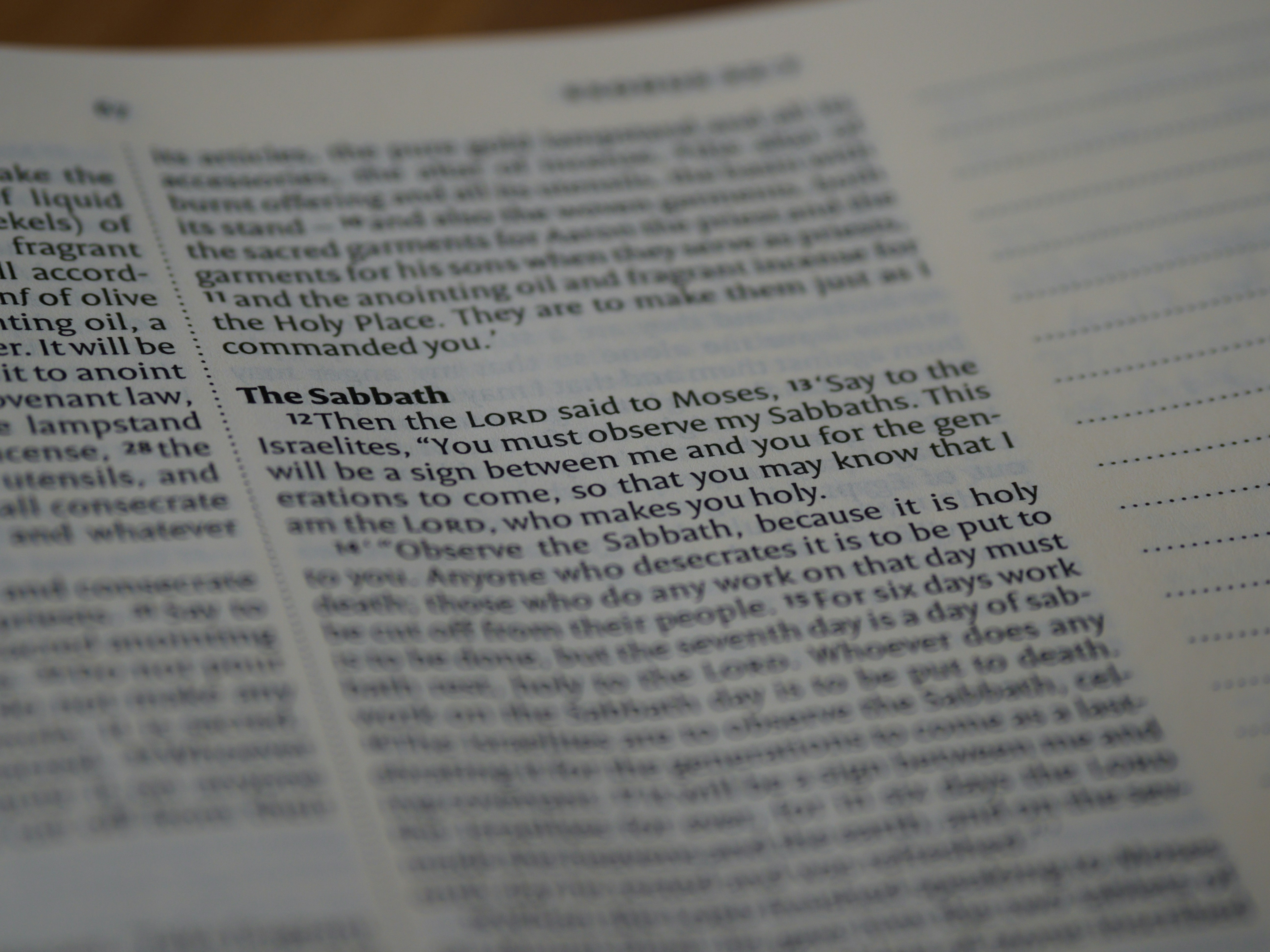
Introduction to the Fourth Commandment
The Fourth Commandment, found in Exodus 20:8-11, holds a significant place within the Ten Commandments, establishing a cornerstone of ethical and communal living in the Jewish tradition. This commandment emphasizes the importance of the Sabbath, which is a day of rest and spiritual reflection. Instruction to “Remember the Sabbath day, to keep it holy” serves as a reminder of the creation narrative, where God created the world in six days and rested on the seventh, as outlined in the biblical text. This theological foundation not only underscores the rhythm of work and rest but also reflects a deeper understanding of the divine nature of time.
Historically, the Sabbath has served various roles within Jewish life, distinct from other commandments. During ancient times, this day of rest became a communal observance, setting the Jewish people apart from surrounding cultures that often performed labor incessantly. The Sabbath was regarded as a sign of the covenant between God and Israel, becoming an essential aspect of Jewish identity. In this respect, the Fourth Commandment extends beyond mere prohibition of work; it invites contemplation, connection, and spiritual rejuvenation through community gatherings, prayers, and family gatherings. Thus, it has been preserved as an integral aspect of Jewish worship and day-to-day routine.
In modern practices, the Sabbath continues to resonate with individuals seeking spiritual solace and a break from the demands of contemporary life. Whether observed on Saturday or Sunday, it serves as an opportunity for individuals to disconnect from the busyness of the week, allowing for personal enrichment and communal bonding. Furthermore, the Fourth Commandment encourages individuals not just to rest physically, but also to engage in reflections on their spiritual and ethical practices. By emphasizing the timeless significance of the Sabbath, the Fourth Commandment invites exploration into its ongoing relevance, enriching both the past and present of those who observe it.
Understanding the Concept of the Sabbath
The concept of the Sabbath has deep roots in religious tradition, serving as a cornerstone for many faiths, particularly within Judaism and Christianity. Originating from the biblical command found in Exodus 20:8-11, the Sabbath is mandated as a day of rest, illustrating both a divine model for humanity and a covenantal sign between God and His people. This day, observed on the seventh day of the week, reflects not only a physical cessation from labor but embodies a holistic approach to rejuvenation, interpersonal connection, and spiritual sanctity.
Historically, the Israelites were instructed to refrain from work on this day as a demonstration of their fidelity to God. This principle transcended mere legalism, inviting a deeper understanding of the necessity of rest in the rhythm of life. The act of resting was designed to provide a reprieve from the relentless cycle of daily toil, thereby creating space for individuals to reconnect with God and with their community. In this context, the Sabbath becomes a sacred time, established to promote physical and emotional well-being, spiritual growth, and communal solidarity.
For Christians, the original concept of the Sabbath has evolved, often aligning with Sunday observance to honor the resurrection of Jesus Christ. Nonetheless, the foundational significance of rest remains. Christians are encouraged to seek a spiritual recharging on this day, which is similarly viewed as an opportunity for worship, reflection, and fellowship. Thus, the essence of the Sabbath emphasizes the importance of balance in life, reminding adherents to prioritize their relationship with the Divine while also embracing personal and communal restoration. This day fosters a rhythm of work and rest, underpinning a holistic approach to faith and living.
The Work-Rest Balance
The principle of balancing work and rest is central to the teachings found in Exodus 20:8-11. This commandment, which instructs individuals to work for six days and reserve the seventh day as a holy day of rest, emphasizes the necessity of taking time away from labor. Engaging in work without intervals of rest can lead to physical and psychological burnout. The biblical injunction to rest serves as a reminder to prioritize well-being alongside productivity.
The pattern of six days of work followed by a day of rest is not merely a suggestion but a prescription for a robust lifestyle. The act of resting is both an acknowledgment of human limitations and a means of rejuvenation. Regular breaks have been shown to enhance cognitive function and emotional health, allowing individuals to return to their tasks with renewed focus and creativity. When individuals adhere to a rhythm of working and resting, they often experience greater job satisfaction and reduced levels of stress.
From a psychological perspective, the balance fostered by this commandment can also help cultivate a mindset that values self-care. In a culture that often equates productivity with worth, the Sabbath invites a re-evaluation of this perspective by allowing individuals to pause and reflect on their lives beyond work. This time for relaxation not only improves mental clarity but also nurtures deeper connections with family and community, reinforcing social bonds that contribute to overall happiness.
In essence, the balance between work and rest espoused in Exodus 20:8-11 promotes a holistic approach to life. It invites individuals to embrace their work while simultaneously recognizing the importance of rest. This harmony is essential for maintaining a sustainable lifestyle that prioritizes physical health, mental clarity, and emotional fulfillment.
The Importance of Keeping the Sabbath Holy
Keeping the Sabbath holy is a fundamental principle found in various religious traditions, particularly in Judaism and Christianity. According to Exodus 20:8-11, the Sabbath is established as a day of rest, commemorating God’s creation and His on-going relationship with humanity. Observing the Sabbath requires intentional behaviors and attitudes that promote spiritual disciplines such as rest, worship, and reflection. This day encourages believers to cease from daily work and distractions, creating space for deeper connection with God and the community.
Rest is not merely a cessation of labor but rather a conscious act of surrendering our busyness to God. By refraining from work, individuals can rejuvenate their spirits and bodies, appreciating the gifts of life that often go unnoticed in the rush of everyday responsibilities. This period of rest fosters a sense of tranquility, allowing for mindfulness in the presence of God, where one can reflect upon personal values and life goals. This quiet time becomes valuable for spiritual introspection, promoting a deeper understanding of one’s relationship with God.
Moreover, worship is central to keeping the Sabbath holy. Participating in communal or personal worship on this day enhances the sense of belonging and unity among believers. Gathering for prayer, reading scripture, and singing praises not only honors the day but also strengthens community ties. Additionally, reflecting on the significance of God’s creation during Sabbath worship imbues believers with appreciation for their surroundings and the divine presence in their lives.
In essence, keeping the Sabbath holy elevates our spiritual lives and nurtures our relationships with God and each other. Through practices of rest, worship, and reflection, individuals encounter a transformative experience that deepens their faith and enriches their daily lives. By dedicating this day to holiness, believers recognize the invaluable gift of time and the call to live in harmony with the Creator and fellow humans.
Sabbath Observance Across Different Cultures
The concept of the Sabbath, a day set apart for rest and spiritual reflection, varies significantly across different cultures and religious traditions. In Judaism, the Sabbath, or Shabbat, begins at sunset on Friday and lasts until nightfall on Saturday. This observation is rooted in the biblical commandment found in Exodus 20:8-11, urging adherents to remember the Sabbath day and keep it holy. Jewish individuals engage in various rituals during this time, including lighting candles, sharing meals, and congregating for prayers at synagogues. The emphasis on rest from work and the importance of family and community bonds are central to this observance.
Christian denominations, however, demonstrate a range of interpretations concerning the Sabbath. Many who adhere to the Christian faith observe Sunday as the Sabbath, reflecting the resurrection of Jesus Christ. Some denominations, such as Seventh-day Adventists, maintain a more traditional approach, celebrating Saturday as the Sabbath in alignment with Judaic traditions. This observance includes similar practices of rest, worship, and community gatherings. For many Christians, attending church services on Sunday is an essential element of their Sabbath observance, marking a day dedicated not only to rest but also to spiritual growth and fellowship.
Cultural contexts play a significant role in shaping these practices. For instance, in predominantly Jewish communities, the observance of Shabbat is strictly upheld, influencing social activities and business operations. In contrast, many Christian communities feature a broader interpretation of what constitutes Sabbath observance, adapting the day to fit modern schedules and lifestyles. This flexibility reflects the diverse ways in which religious beliefs intersect with contemporary life, prompting different expressions of sacred time and the ongoing significance of the Sabbath across cultures.
The Sabbath in the New Testament
The New Testament provides an essential perspective on the Sabbath, significantly diverging from its Old Testament origins. Central to the discussion is Jesus’ teachings and actions regarding this holy day. One of the most notable instances occurs in the Gospels, where Jesus challenges prevailing interpretations of Sabbath observance. He often emphasizes mercy over sacrifice, stating that the Sabbath was made for man, not man for the Sabbath (Mark 2:27). This phrase illustrates his intention to reform the understanding of the Sabbath, shifting its focus from rigid rules to human well-being and compassion.
Throughout his ministry, Jesus performed various healings and miraculous acts on the Sabbath, drawing criticism from religious authorities who adhered strictly to traditional laws. For example, in Luke 13:10-17, Jesus heals a woman who had been crippled for eighteen years on this day, prompting the ruler of the synagogue to admonish the crowd about working on the Sabbath. However, Jesus counters this by highlighting the hypocrisy of his critics, underscoring that acts of kindness and healing align perfectly with the Sabbath’s intended purpose as a time for restoration and mercy.
The resurrection of Jesus further influences how the early Christian church approaches the Sabbath. With the significance of the resurrection on the first day of the week, early Christians began gathering on Sunday, often referred to as the Lord’s Day, to commemorate this pivotal event. This shift indicates a gradual transformation in how Sabbath practices were observed, emphasizing Jesus’ fulfillment of the law and the spirit behind it.
In the writings of the apostles, such as Paul, there remains an acknowledgment of the Sabbath, yet a clear distinction emerges. Paul advocates for freedom from legalistic observance, cautioning against judgments concerning the Sabbath (Colossians 2:16-17). This perspective lays the groundwork for understanding the Sabbath as a principle of rest and worship rather than a stringent requirement, reflecting the evolving attitudes towards it in the early church.
Modern-Day Interpretations of the Sabbath
The concept of the Sabbath, as outlined in Exodus 20:8-11, continues to hold significant relevance for many modern Christians and Jews, despite the fast-paced nature of today’s society. The directive to observe a day of rest is not merely a reminder of the importance of physical rest but also invites individuals to reflect on their spiritual lives. In a world where technological advancements and constant connectivity blur the lines between work and leisure, interpretations of the Sabbath are evolving.
For many contemporary Christians, the Sabbath has transformed into a flexible concept. Some choose to observe it on Sunday, dedicating that day to worship, family time, and rest. Others argue for a more individualized approach, promoting the idea of “Sabbath moments” throughout the week, thereby allowing for a more adaptable practice that accommodates busy schedules. This flexibility aims to strike a balance between honoring the Sabbath’s intent while responding to the demands of modern life.
On the other hand, many Jews remain steadfast in their observance of the Sabbath, or Shabbat, which begins at sundown on Friday and concludes at nightfall on Saturday. There is a recognized challenge, however, in adhering to the traditional restrictions of Sabbath observance amidst a culture that often prioritizes productivity and consumerism. The emphasis on disengagement from work and technology serves as a countercultural statement, fostering community and reflection, yet the balancing act between modernity and tradition continues to pose challenges for many.
Ultimately, both contemporary Christians and Jews grapple with maintaining the Sabbath’s significance in a society that constantly pushes for more. As they navigate these waters, the enduring messages of rest, reflection, and spiritual connection found in Exodus 20:8-11 offer a foundation upon which to build their modern interpretations.
Practical Ways to Observe the Sabbath
Observing the Sabbath can be a profound and enriching practice for both individuals and families. While the traditional understanding of the Sabbath revolves around rest and worship, there are numerous practical ways to incorporate this sacred time into your weekly routine. One effective method is to set aside specific hours solely dedicated to spiritual practices. This may involve attending a worship service, engaging in prayer, or meditating on scriptural passages relevant to the observance. In such moments, individuals can deepen their relationship with their faith by focusing on spiritual growth.
Another essential aspect of Sabbath observance is rest. This does not merely mean refraining from work but actively engaging in restorative activities that rejuvenate both the mind and body. Families can take time to enjoy nature, perhaps through a leisurely hike or a picnic in the park. Additionally, light hobbies such as reading, painting, or gardening can provide a sense of accomplishment without the pressure typically associated with work. It is essential to choose activities that promote relaxation and enhance the overall Sabbath experience.
Family activities also play a pivotal role in honoring the Sabbath commandment. Scheduling game nights or sharing meals prepared together can foster connections among family members. Engaging in meaningful conversations while enjoying food can strengthen familial bonds and create cherished memories. As a family unit, participating in community service or volunteering at local organizations can also serve as a powerful way to observe the Sabbath, promoting a sense of togetherness and purpose.
In summary, by incorporating worship, rest, and family activities into your Sabbath observance, you can create a fulfilling and meaningful rhythm of life that honors the commandment while enriching your spiritual journey.
Conclusion: The Transformative Power of the Sabbath
The observance of the Sabbath holds deep significance as illustrated in Exodus 20:8-11. Throughout this blog post, we have explored the multifaceted dimensions of the Sabbath, from its religious roots to practical implications in modern life. The Sabbath is not merely a day of rest; it serves as a sacred pause that invites individuals to cultivate a deeper relationship with God, align with spiritual values, and appreciate the importance of rest in their busy lives. This transformative practice affects not only the spiritual health of individuals but also enhances their emotional and physical well-being.
By dedicating one day to rest and reflection, individuals can recharge their spiritual batteries, leading to increased clarity, creativity, and a heightened sense of purpose. Engaging in spiritual contemplation and community worship during the Sabbath can foster stronger relationships among family members and friends, reinforcing communal bonds. Moreover, the act of disconnecting from one’s daily electronic and work-related distractions illustrates a commitment to prioritize one’s well-being and seek inner peace.
As we reflect on our own practices, it becomes apparent that observing the Sabbath can be transformative. This sacred tradition offers an opportunity to step away from the demands of life, encouraging individuals to cultivate gratitude and mindfulness. It serves as a powerful reminder to honor the divine and focus on what truly matters, allowing for personal growth and spiritual renewal. Consider how incorporating the Sabbath into your routine could positively change your spiritual life and overall wellness. Embracing this ancient practice might reveal new avenues for growth, peace, and fulfillment, reminding us of the importance of rest in our contemporary world.