
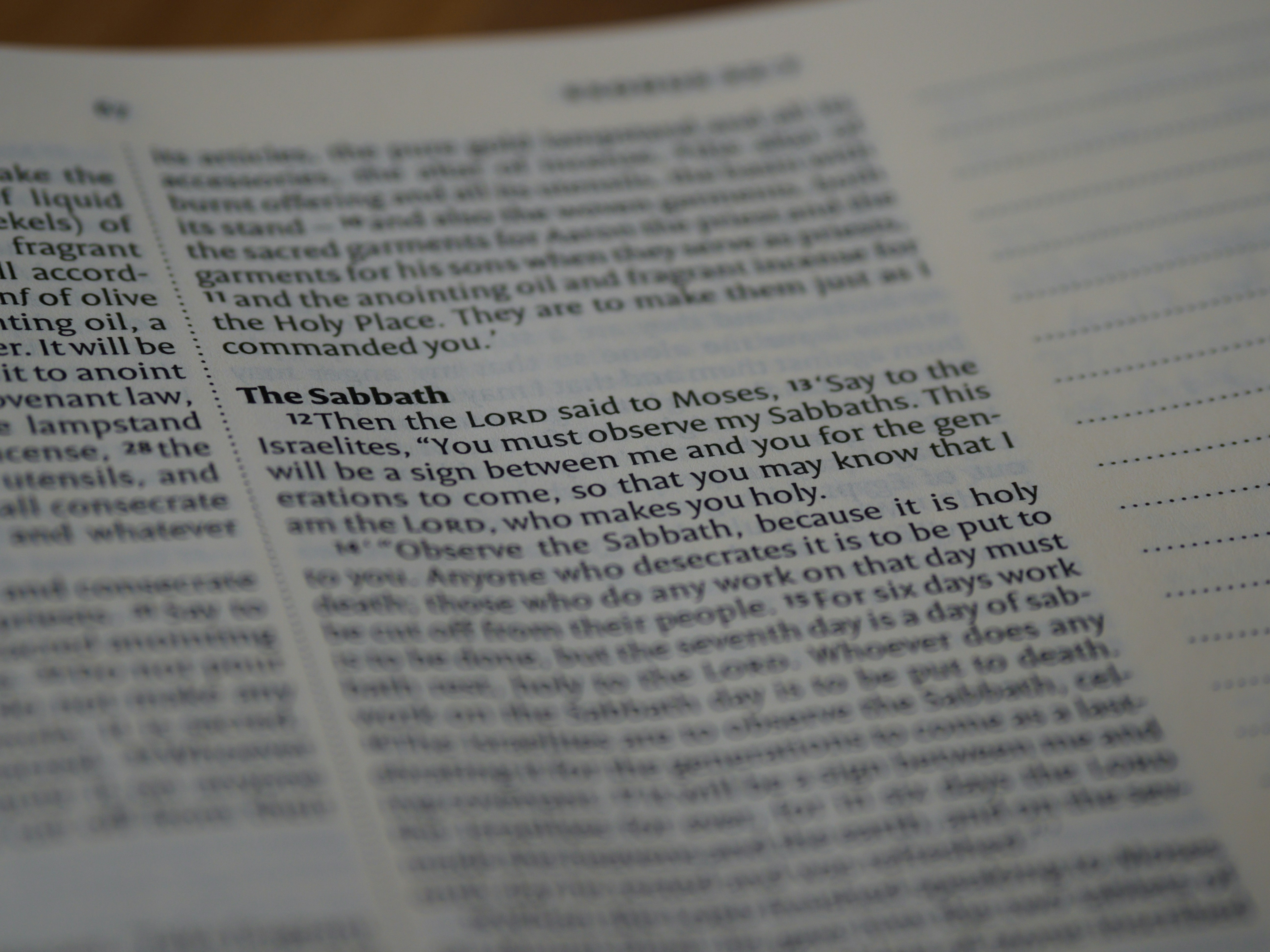
Introduction to Hebrews 4:9-10
The passage of Hebrews 4:9-10 represents a critical intersection of theology and practical implications regarding rest within the context of the Christian faith. The Book of Hebrews, written predominantly to a Jewish audience, serves as a profound exploration of the supremacy of Christ and the implications of His new covenant. Within this epistle, the author addresses issues of faith and perseverance, encouraging believers to retain their commitment to Christ amidst trials and temptations. The specific verses of Hebrews 4:9-10 underscore the significance of ‘rest,’ depicting it not merely as a physical cessation but as an essential spiritual state for the people of God.
The themes of rest and labor are intricately woven throughout the chapter and form a pivotal part of the Christian narrative. The notion of “Sabbath-rest” draws on the historical context of the Israelites wandering in the wilderness and seeking the Promised Land, a metaphor for entering into a place of divine tranquility and fulfillment. By invoking the concept of one’s rest in God, the author of Hebrews aims to illustrate the spiritual completeness offered through Christ. This connection further highlights the transitional nature of the Jewish observance of the Sabbath, suggesting that the ultimate rest is not merely found in a day of the week but in a relationship with Christ.
The verses serve as a reminder that true rest encompasses laying aside one’s personal efforts and reliance on self, to embrace a state of grace and reliance on God’s promises. As the audience of Hebrews reflects on their identities, choices, and ultimate rest, they are prompted to acknowledge the significance of labor in faith. This introduction sets a foundation for understanding the full implications of Hebrews 4:9-10 as they relate to the broader themes of faith, rest, and the transformative power of the Gospel.
The Concept of Sabbath in the Bible
The biblical foundation of the Sabbath is deeply rooted in the creation narrative as described in the Book of Genesis. According to Genesis 2:2-3, God completed the work of creation in six days and on the seventh day, He rested. This act of resting signifies the establishment of a divine rhythm of work and rest, and sets a pattern for human behavior. The Hebrew word “Shabbat,” which translates to “rest,” embodies both the cessation of labor and the sanctification of time. Thus, the Sabbath is not merely a day off but a sacred time imbued with spiritual significance.
The importance of the Sabbath has been explicitly emphasized in Jewish tradition, where it is regarded as a covenantal sign between God and Israel. The Fourth Commandment, as detailed in Exodus 20:8-11, instructs believers to “remember the Sabbath day, to keep it holy.” This command underscores the cultural and religious framework of the day, highlighting a weekly period of rest dedicated to spiritual rejuvenation and communal engagement. The Jewish practice of Shabbat includes various rituals, such as lighting candles, sharing meals, and attending synagogue services, which foster a renewed sense of community and spirituality.
Additionally, the Sabbath serves as a reminder of God’s liberation of the Israelites from slavery in Egypt, reinforcing themes of freedom and remembrance. In Deuteronomy 5:12-15, the Sabbath is linked to this foundational event, encouraging observant Jews to find rest not only in cessation of work but also in the recognition of God’s saving acts. By incorporating rest into the rhythm of life, the Sabbath functions as an opportunity for reflection, growth, and connection with the divine, making it an integral aspect of spiritual practice that continues to resonate through the ages.
Understanding ‘Rest’ in Hebrews 4
The concept of ‘rest’ in the Book of Hebrews, particularly within chapters 3 and 4, holds significant theological weight, reflecting the deeper meaning of spiritual rest as it relates to the Christian experience of salvation. In these passages, rest is not merely the physical cessation of labor but embodies a profound spiritual essence, where believers find solace in their relationship with God. The author of Hebrews draws a critical distinction between the physical rest, exemplified by the Sabbath, and a more profound, spiritual rest that is accessible to all who have faith.
Hebrews 4:1-11 speaks to a rest that is promised to the faithful, connecting it with the historical narrative of the Israelites who failed to enter God’s rest due to disobedience. This failure highlights a spiritual reality that transcends mere physicality; it emphasizes the necessity of faith and obedience for true rest. Therefore, the declaration of a Sabbath-rest for the people of God goes beyond the traditional observance of one day per week. It presents an invitation to enter into a continuous state of rest, which is characterized by peace, assurance, and the fullness of God’s presence.
Furthermore, the writer of Hebrews indicates that this spiritual rest is ultimately fulfilled in Jesus Christ. Through His sacrificial death, believers are offered salvation and a reconciled relationship with God, enabling them to partake in this promised rest. Hence, the ‘rest’ described in Hebrews can be understood as a state of spiritual tranquility that assures believers of their eternal security in Christ. This understanding challenges Christians to reflect on the nature of their rest: whether they see it simply as a physical retreat from their daily lives or as a comprehensive, spiritually engaging experience informed by their faith journey.
The Role of Faith in Entering God’s Rest
In Hebrews 4:9-10, the concept of rest is intricately linked to the notions of faith and obedience within the believer’s journey toward spiritual fulfillment. The passage highlights that God’s rest is not merely a cessation of work, but a profound state of spiritual assurance that can only be attained through genuine faith. This divine rest symbolizes a relationship with God that is characterized by trust and reliance on His promises, underscoring the necessity of belief as a precursor to experiencing this sacred rest.
The act of entering God’s rest requires more than mere acknowledgment of His existence; it demands a deep-seated faith that manifests in obedience to His will. Such obedience is not a list of rules to follow, but rather a response to the love and grace experienced through faith. When believers align their lives according to God’s principles, they are more likely to experience the peace and assurance that come with understanding their position in Him. This relationship reflects a transformative journey where believers progressively deepen their faith, ultimately leading to the fulfillment of God’s rest in their lives.
Furthermore, the implications of faith for the believer’s spirituality are profound. A lack of faith can hinder one’s ability to enter into God’s rest, leading to spiritual stagnation and discontent. As the text emphasizes, those who are disobedient or lack faith are drawn away from the promise of rest, which indicates that their journey is incomplete. On the other hand, those who grasp the importance of faith can enjoy rich spiritual experiences, characterized by the assurance and tranquility that come with trusting God’s plan. Thus, faith serves as a crucial pathway through which believers can fully embrace the rest promised to them, ensuring that their spiritual lives are vibrant and fulfilling.
Jesus as the Fulfillment of the Sabbath Rest
The concept of Sabbath rest holds a significant place in biblical theology, with roots tracing back to the creation narrative where God ceased His work on the seventh day. In the New Testament, this ancient tradition finds a renewed definition through the life and teachings of Jesus Christ. He embodies the ultimate expression of rest, transforming the understanding of what it means to truly rest in God. His ministry often highlighted themes of healing and restoration on the Sabbath, challenging the rigid interpretations held by the religious leaders of His time. This redefinition not only underscores His authority but also signals a deeper invitation for believers to enter into a profound rest found in Him.
In several instances, Jesus presented Himself as the source of true Sabbath rest. For example, in Matthew 11:28-30, He invites those who are weary and burdened to come to Him, promising to provide rest. This invitation suggests a shift from a mere cessation of work to a relational dynamic where rest is found in a personal relationship with Him. The implication is that true rest is not merely abstaining from labor but instead actively engaging with Jesus, who offers spiritual renewal and peace. Through His sacrificial death and resurrection, Jesus accomplishes what the Sabbath foreshadowed: a complete restoration of humanity’s relationship with God.
Furthermore, Jesus’ resurrection is a pivotal moment in understanding Sabbath rest. It signifies the dawning of a new creation and the ultimate defeat of sin and death, providing believers with an eternal rest that transcends physical or temporal concerns. Hence, in Jesus, the fulfillment of the Sabbath rests entirely in His provision—forgiveness, salvation, and eternal life. In this light, believers are encouraged to view the Sabbath not as a mere day of the week but as a continual experience of peace and wholeness in Christ, who fulfills the essence of true rest for the people of God.
Practical Applications of Sabbath-Rest Today
The concept of Sabbath rest, as rooted in Hebrews 4:9-10, extends beyond a mere observance of a day; it encourages a holistic lifestyle that prioritizes intentional breaks from the rigors of daily work. Modern believers can actively incorporate these principles of rest, nurturing both spiritual and physical well-being.
One key practice is setting aside specific times during the week for rest and rejuvenation. This could range from an entire day dedicated to Sabbath activities to shorter intervals where one disconnects from work-related responsibilities. Scheduling these breaks helps to create a rhythm in life that mirrors God’s intention for rest, allowing individuals to recharge mentally and spiritually.
Engaging in spiritual practices during these breaks is vital. Activities such as prayer, meditation, or reading scripture can cultivate a deeper relationship with God. These moments not only provide a respite from daily obligations but deeper spiritual nourishment as well. Participating in communal worship or fellowship can further enhance the experience, fostering connections that encourage collective growth in faith.
Moreover, finding balance in a busy world is crucial. Believers should assess their schedules and identify what activities may lead to burnout or stress. This may involve saying ‘no’ to certain commitments that dilute focus on rest and spiritual growth. It is important to remember that true Sabbath rest isn’t merely the absence of work, but an active pursuit of restoration.
Additionally, practices such as nature walks or engaging in hobbies can reinforce the Sabbath principles. These activities shift the focus from productivity to enjoyment, fostering gratitude for creation. By incorporating these aspects of Sabbath rest, individuals can navigate the complexities of modern life while nurturing their faith and wellbeing.
The Importance of Community in Experiencing Rest
The concept of rest, particularly in the context of Hebrews 4:9-10, extends beyond individual experiences and embodies a communal aspect intrinsic to the health and well-being of the entire faith community. In Christian tradition, the Sabbath is not merely a day of physical inactivity; it serves as a vital time for believers to engage with one another, promoting spiritual renewal through fellowship. The communal practice of observing Sabbath creates an environment where members can support each other, enhancing their personal and collective experiences of rest.
Community facilitates personal experiences of rejuvenation by providing a sense of belonging and emotional support. When individuals come together, sharing their thoughts, burdens, and joys, they create a space that allows for deeper conversations and authentic connections. This shared experience often leads to a refreshing outpouring of grace that encourages members to reflect on their spiritual journeys. It fosters an atmosphere where individuals can collectively lean on one another, allowing burdens to be eased and spiritual fatigue to be alleviated.
The communal aspect of Sabbath observance also reflects the broader understanding of rest as a gift from God intended for all believers. Participation in church activities, such as prayer groups, worship services, and Bible studies, helps cultivate a culture where individuals are reminded of the importance of taking time to rest. These gatherings provide opportunities for spiritual encouragement, promoting a collective journey toward deeper connections with God and each other. Members can witness the varying degrees of rest achieved within the community, motivating and inspiring one another to pursue spiritual rejuvenation.
In essence, the importance of community in experiencing rest cannot be overstated. By nurturing relationships within the church, believers can significantly enhance their individual and collective experiences of Sabbath rest, ultimately drawing closer to each other and to God.
Challenges to Finding Rest in Modern Life
In the fast-paced and demanding environment of contemporary society, discovering true rest has become increasingly challenging. One significant barrier to achieving restful moments lies in the struggle for work-life balance. Many individuals find themselves entangled in a perpetual cycle of work commitments and personal responsibilities, often blurring the lines between professional obligations and leisure time. This lack of separation can lead to chronic stress and burnout, hindering one’s ability to establish a rhythm that includes periods of rejuvenation.
Additionally, the prevalent hustle culture perpetuates the notion that constant productivity equates to success. In a world that celebrates overworking and relentless ambition, taking time to rest can be perceived as a weakness or a lack of commitment. Social media platforms often showcase a linear pathway to achievement that overlooks the necessity of breaks and self-care. As individuals strive to meet the expectations set by society, they may find themselves sacrificing personal well-being for the sake of career advancement, ultimately compromising their rest.
Mental health further complicates the pursuit of rest. The pressures of modern life, including the demands of employment, familial obligations, and social expectations, can lead to heightened anxiety and stress levels. Individuals grappling with mental health issues often find it difficult to disengage from their worries, which disrupts their ability to achieve a tranquil state of mind. Furthermore, societal stigmas surrounding mental health can prevent individuals from seeking support, perpetuating a cycle of distress that detracts from the experience of rest.
To navigate these multifaceted challenges, it is essential to prioritize intentional rest as part of a holistic lifestyle. This prioritization can include setting boundaries for work, practicing mindfulness, and recognizing the importance of mental health support. Emphasizing these aspects may foster an environment where true rest can thrive, allowing individuals to engage fully in both their personal and professional lives.
Conclusion: Embracing God’s Gift of Rest
In the exploration of Hebrews 4:9-10, we have delved into the profound significance of the Sabbath-rest that God has designated for His people. This biblical concept transcends mere physical rest; it encompasses a holistic invitation to experience a deep-seated peace and connection with the Divine. The Sabbath-rest serves as a vital reminder of God’s creative power and redemptive purpose, offering believers a sanctuary in which they can rejuvenate their spirits and minds.
Throughout this discussion, we have highlighted key elements that shape our understanding of rest as divinely ordained. First, we examined the intention behind the Sabbath, emphasizing that it is not merely a cessation of work but a proactive engagement with God’s presence. By participating in this sacred rhythm, individuals can find solace amidst life’s tumultuous demands. It fosters an environment where spiritual growth can flourish, helping believers to attune their hearts to God’s voice and guidance.
Moreover, embracing the gift of God’s rest encourages a shift in perspective regarding everyday stressors. Rather than perceiving rest as an act of idleness, it becomes a transformative experience that enables believers to recharge spiritually, emotionally, and physically. By regularly observing this divine rhythm, one can cultivate a deeper relationship with God, inviting harmony into both personal and communal spaces.
As we conclude this examination of Hebrews 4:9-10, it is imperative to recognize the importance of actively incorporating Sabbath principles into our lives. By doing so, we not only honor God’s design but also enrich our own lives with meaning, peace, and fulfillment. Choosing to embrace the Sabbath-rest is a step toward experiencing the fullness of life as intended by the Creator, fostering an enduring sense of balance and tranquility in every facet of existence.