
Introduction to the Sabbath
The Sabbath, a day of rest and worship, holds profound significance across various religious traditions. Traditionally observed on the seventh day of the week, it is a time set apart by God for reflection, spiritual connection, and physical rejuvenation. The concept of the Sabbath is deeply rooted in the Judeo-Christian heritage, originating from the creation narrative found in the Book of Genesis. Here, after six days of creation, God rested on the seventh day, establishing a divine precedent for human rest and worship.
The historical context of the Sabbath reveals its transformative role in the lives of believers. For the Jewish community, the Sabbath, or Shabbat, is viewed as a sacred time of communal worship, family gatherings, and remembrance of liberation from slavery in Egypt. It is marked by specific rituals, including prayer, candle lighting, and festive meals, creating an atmosphere of peace and gratitude. Observing the Sabbath reinforces the believer’s identity and connection to God, alongside a commitment to abide by His commandments.
<pin a="" acts="" adhered="" among="" and="" as="" associated="" celebration="" charity,="" christ's="" christianity,="" christians="" closer="" congregational="" day="" dedicating="" deeply,="" denominations,="" different="" divine.
Thus, the Sabbath serves as a vital pillar in religious observances, fostering a rhythm of work and rest, spirituality, and community throughout its history. As we delve deeper into the significance of this sacred day, we will explore its practices, meanings, and relevance in the contemporary world.
The Biblical Foundation of the Sabbath
The concept of the Sabbath finds its origins deeply rooted in the biblical narrative, tracing back to the Creation account in the Book of Genesis. According to Genesis 2:2-3, after six days of creating the world, God ceased His work on the seventh day and sanctified it, establishing a divine precedent for rest. This act of resting was not merely a cessation of activity; it constituted a blessing, setting aside the seventh day as holy. The Sabbath thus represents an essential principle within the Judeo-Christian tradition, signifying a time for spiritual reflection, rejuvenation, and reconnection with the Creator.
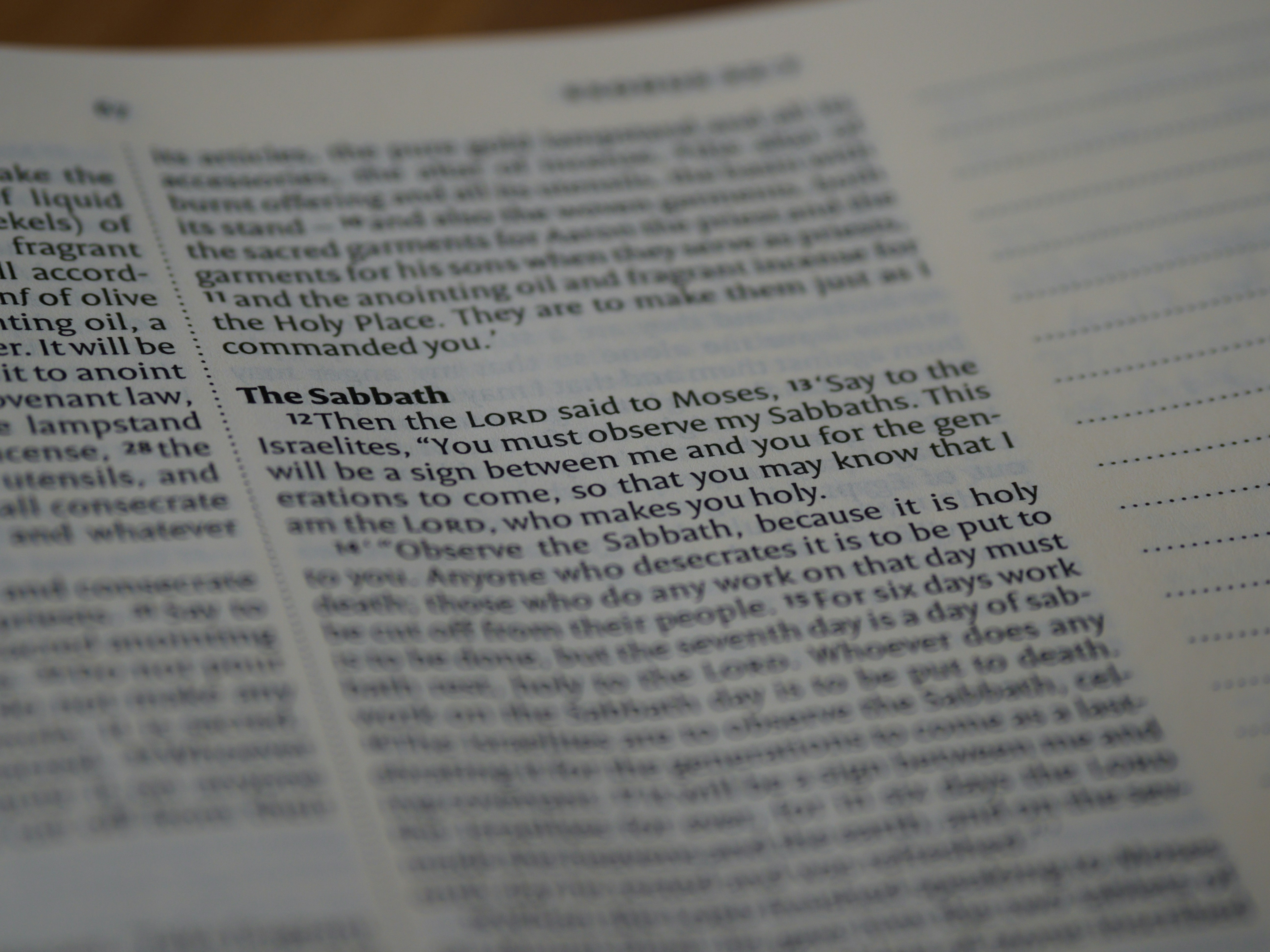
Furthermore, the significance of the Sabbath is reinforced in the Book of Exodus, specifically in the context of the Ten Commandments. In Exodus 20:8-11, the Israelites are explicitly instructed to remember the Sabbath day and keep it holy. The commandment emphasizes that, like God, the Israelites should refrain from work on this day, highlighting the importance of rest in their lives. Additionally, Exodus 31:16-17 reveals that observing the Sabbath serves as a perpetual covenant between God and His people, demonstrating its sacredness and the spiritual obligation to honor it. This directive underscores the belief that the Sabbath is not only a day of rest but also an opportunity for worship and connection with God.
<pthroughout a="" acknowledging="" allowing="" and="" architecture="" as="" becomes="" been="" biblical="" both="" by="" commandments,="" community,="" component="" cosmic="" creation="" divine="" doctrine,="" during="" engage="" established="" evident="" fabric="" family,="" fellowship.="" forth="" foster="" from="" gift="" god,="" has="" historical="" imperative="" in="" individuals="" interpretations,="" is="" it="" its="" life.="" meant="" moral="" observance="" of="" order="" p="" pause="" reminder="" restorative="" rhythm="" sabbath="" sense="" serving="" set="" spiritual="" that="" the="" time.
The Sabbath as a Day of Rest
The Sabbath holds a significant place in many religious traditions, prominently serving as a designated day of rest. This observance offers individuals the opportunity to step away from the pressures of daily life and engage in restorative practices. In our fast-paced modern world, the concept of rest is often overshadowed by relentless work schedules and societal expectations. The Sabbath encourages a balance between work and rest, emphasizing the critical need for spiritual and physical rejuvenation.
The importance of rest cannot be understated, as it fosters both mental clarity and emotional stability. Engaging in restful activities during the Sabbath allows individuals to reflect on their lives and recalibrate their priorities. This day serves as a reminder of the necessity for downtime, an aspect that aids in combating burnout and promoting well-being. By dedicating time specifically for rest, individuals can detach from their normal routines and enter a space of rejuvenation.
<pmoreover, a="" also="" and="" as="" be="" believers="" belonging,="" but="" by="" can="" chance="" collective="" communal="" community="" connection="" connections="" deeper="" divine.="" engage="" enriching="" experience="" for="" fosters="" gatherings,="" honor="" in="" increasingly="" individuals="" is="" isolated="" it="" lives.="" needs="" not="" observing="" of="" offers="" only="" others.<pultimately, a="" an="" and="" as="" believers="" both="" busyness="" by="" can="" component="" counterbalance="" critical="" cultivate="" day="" day-to-day="" demands="" embracing="" essential="" existence,="" from="" harmonious="" health.
The Blessings of Observing the Sabbath
Observing the Sabbath is a practice that many believers find profoundly enriching, providing a sanctuary of rest and spiritual renewal. One of the most significant blessings attributed to the Sabbath is the opportunity for personal reflection and rejuvenation. When individuals dedicate this day to rest from everyday labor and distractions, they can foster a deeper connection with their faith. This designated time away from daily responsibilities allows for introspection, meditation, and prayer, which many find rejuvenating for the soul.
The Sabbath also contributes to stronger community ties. Congregations often come together during this holy day, creating an environment of fellowship, shared worship, and collective support. Such gatherings serve as a vital means of reinforcing community bonds, providing believers with a shared sense of purpose and belonging. Regular participation in Sabbath services can cultivate friendships that extend beyond the church doors, enriching lives through communal acts of worship and shared experiences.
Moreover, the spiritual rewards of observing the Sabbath cannot be overstated. Many believers report enhanced spiritual awareness after engaging in this sacred day. This time spent in rest and worship can lead to profound insights, a deeper understanding of scripture, and a greater appreciation for divine grace. The practice of Sabbath-keeping helps individuals cultivate a peaceful mindset, encouraging them to step back from the relentless pace of modern life and to appreciate the beauty in the present moment.
In conclusion, the blessings of observing the Sabbath—ranging from personal enrichment to community building and spiritual insights—illustrate the profound impact this holy day can have. By prioritizing this time for rest and worship, individuals can experience a deeper connection to their faith and to one another, reaping lasting rewards that extend well beyond the Sabbath itself.
Worship and Spiritual Connection on the Sabbath
The Sabbath serves as a dedicated time for worship and spiritual rejuvenation, playing a pivotal role in strengthening one’s relationship with God. For many adherents, this holy day is marked by both communal and individual worship practices that foster a deeper connection to their faith. The observance of the Sabbath typically begins with traditional worship services held within various faith communities. These gatherings allow individuals to come together, participate in collective prayer, and engage in scriptural readings, all of which cultivate a sense of belonging and shared devotion.
Traditional worship services often include elements such as singing hymns, listening to sermons, and partaking in rituals that form the foundation of religious life. During the service, participants reflect on the themes of rest, gratitude, and reverence, aligning their thoughts with the sacred nature of the day. This communal aspect of worship not only strengthens relationships among congregants but also enhances their spiritual growth through shared experiences and mutual encouragement.
In addition to communal worship, individual devotionals play a crucial role in the personal observance of the Sabbath. Many individuals take this opportunity to engage in personal prayer, meditation, and reflection, creating a sacred space for contemplation and connection with God. These private practices allow individuals to delve into their faith, focusing on aspects such as gratitude, forgiveness, and renewal. Scripture reading is often a central component of personal devotionals, as it allows individuals to explore the teachings and lessons of their faith, fostering a deeper understanding of spiritual principles.
Ultimately, the worship and spiritual connection experienced on the Sabbath are fundamental to its observance. Through communal gatherings and individual devotion, believers are able to enrich their faith journey, allowing the Sabbath to be a day of rest, rejuvenation, and profound spiritual significance.
Sabbath Practices Around the World
The observance of the Sabbath varies significantly across cultures and denominations, reflecting a rich tapestry of traditions and interpretations. In Judaism, the Sabbath, known as Shabbat, begins on Friday evening and continues until Saturday night. It is a time characterized by rest and spiritual rejuvenation, where the practice of lighting candles, reciting prayers, and sharing meals with family are integral to the celebration. The day emphasizes cessation from work, allowing adherents to focus on reflection, worship, and community.
In Christianity, the Sabbath has evolved considerably. Many Christian denominations observe Sunday as the day of rest, a shift that aligns with the resurrection of Jesus Christ. For instance, Catholics and Orthodox Christians may celebrate the Sabbath through attending Mass, engaging in communal prayers, and partaking in the Eucharist. In contrast, many Protestant traditions emphasize sermons, scripture readings, and fellowship as essential components of their Sunday worship services.
Adventists, however, are known for their strict observance of the Sabbath, similar to Jewish traditions. They hold their services from Friday sundown to Saturday sundown, promoting leisure, devotion, and prayer during this sacred time. Unique practices such as singing, studying the Bible, and communal meals play a significant role in their observations. Meanwhile, some non-religious individuals also recognize the need for a day of rest, often setting aside time on weekends to unwind and connect with loved ones, regardless of specific religious practices.
The diverse interpretations and customs underscore a universal reverence for the Sabbath as a time for rest, reflection, and worship. While the expressions of these practices may differ, they share common values of peace, community, and spiritual renewal, showcasing the enduring significance of this holy day across cultures and beliefs.
Challenges to Sabbath Observance
In today’s fast-paced and demanding world, observing the Sabbath can present numerous challenges that complicate the ability to dedicate this sacred time to rest, worship, and reflection. One of the primary difficulties faced by many is the increasing workload that often extends into weekends. The expectations from employers to maintain high productivity, even during traditional days of rest, can hinder individuals from setting aside the Sabbath. Consequently, many feel compelled to work, believing that fulfilling their professional obligations takes precedence over spiritual commitments.
Additionally, societal norms and expectations play a significant role in limiting Sabbath observance. As more people prioritize work, social engagements, or leisure activities, the pressure to conform to these standards can lead to a diminished emphasis on spiritual practices. Friends and family may not understand or support a commitment to observing the Sabbath, further complicating personal choices. This trend creates a dynamic where individuals may feel guilty or out of place for opting to prioritize their faith over social commitments.
The technological advancements that characterize contemporary life also contribute to challenges in maintaining a Sabbath routine. The constant connectivity afforded by smartphones and other devices means that individuals are perpetually accessible, making it difficult to disconnect from work and engage in spiritual activities. This omnipresence of technology can distract from the opportunity to reflect and recharge, ultimately undermining the essence of a restful Sabbath.
To navigate these challenges effectively, it is essential for individuals to set firm boundaries around their time. Establishing specific Sabbath rituals or practices can help create a sacred space amid the busyness of modern life. By reflecting on these challenges and approaching Sabbath observance with intention, individuals can honor this holy day in a manner that aligns with their spiritual convictions while balancing the demands of contemporary living.
The Sabbath: A Perpetual Reminder of Our Faith
The Sabbath holds profound significance as a day set apart, serving as a perpetual reminder of our faith and commitment to God. Rooted in the biblical narrative, the Sabbath is ordained as a day of rest, play, and reflection, inviting believers to pause from their daily endeavors. This holy day reflects a divine rhythm inherent in creation, allowing individuals and communities to realign their priorities and reaffirm their spiritual journey.
At its core, the Sabbath fosters a personal identity deeply intertwined with religious beliefs. Observing this sacred time can provide a framework through which individuals can explore their spirituality, cultivate a sense of peace, and develop a closer relationship with God. The act of dedicating time for spiritual focus strengthens one’s faith and encourages believers to be mindful of their actions throughout the week. Furthermore, the Sabbath serves as a universal anchor for many cultures, maintaining traditions and rituals that promote connection with the divine.
Moreover, the communal aspect of the Sabbath cannot be overstated. This day of rest offers believers an opportunity to gather, share meals, participate in worship, and strengthen community bonds. It emphasizes the importance of fellowship, enabling individuals to recognize their belonging within a larger faith community. Through shared observance, the Sabbath becomes a collective identity, reinforcing the values and beliefs that unite the faithful. Such communal participation fosters a sense of support and accountability, essential elements in nurturing one’s faith and ensuring spiritual growth.
In examining the Sabbath as a reminder of our faith and commitment to God, it becomes evident that this holy day is much more than mere observation. It is a critical component of spiritual heritage that shapes individual identities and community belonging, ultimately inviting us to experience the divine in profound and meaningful ways.
The Sabbath from Creation to Eternity
The Sabbath holds profound significance in the theological understanding of both time and eternity. Originating at the dawn of creation, as described in the Book of Genesis, the Sabbath was instituted when God ceased from His creative work on the seventh day. This divine pause not only characterized the pattern of rest but also marked the sanctification of time itself, establishing the Sabbath as a recurring opportunity for spiritual rejuvenation and a reminder of God’s sovereignty over creation. From its inception, the Sabbath has symbolized a moment of peace amid the chaos of worldly pursuits, inviting humanity to step back and acknowledge the Creator.
As one examines the implications of the Sabbath, it becomes clear that its significance extends beyond mere weekly observances. Throughout biblical history, the Sabbath serves as both a physical and metaphorical representation of rest and restoration. In the Old Testament, it is prominent in the laws given to Israel, where it not only accommodated physical rest but also reinforced the community’s covenant relationship with God. In this regard, the Sabbath functions as a type of eschatological promise, foreshadowing an ultimate rest that would be fulfilled in the prophetic vision of the Kingdom of God.
Looking forward to eternity, the Sabbath encapsulates the hope of a future where God’s restorative plans across creation culminate. This eschatological perspective invites believers to envision a time devoid of toil, where they would experience unbroken communion with the Divine. As humans navigate the complexities of life, the Sabbath serves as a reminder of the spiritual rest that God promises—an eternal celebration of His presence and a day when all creation is fully reconciled. Such a promise underscores the Sabbath’s significance throughout biblical narratives, affirming its crucial role in God’s redemptive story for humanity.